
Digital SLR Buyer's Guide
- Posted in
- Digital Camera
10 Megapixel SLRs Compared
In items as complex as a camera, different buyers find different features important to their needs. For that reason we will attempt to look at areas that are typically important to some buyers and compare the four cameras in that area.
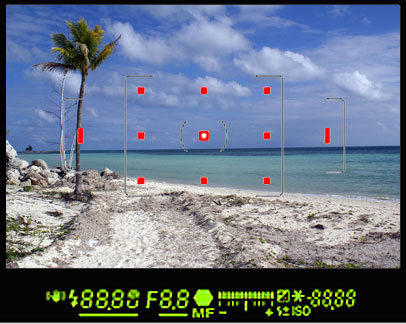
Pentax K10D
VIEWFINDER: The Pentax has the best viewfinder, followed closely by the Nikon D80, then the Sony A100. The Sony viewfinder is remarkable for a penta-mirror setup, but it is no match for the true pentaprisms in the Nikon and Pentax. The Canon is by far the worst of the lot in viewfinders. Best in this case is measured by brightness of the screen image, ease of seeing the entire screen, and "natural perspective". If you want to see a mediocre viewfinder for comparison take a look at the Olympus E500 which makes the user feel like they are looking down a tunnel.
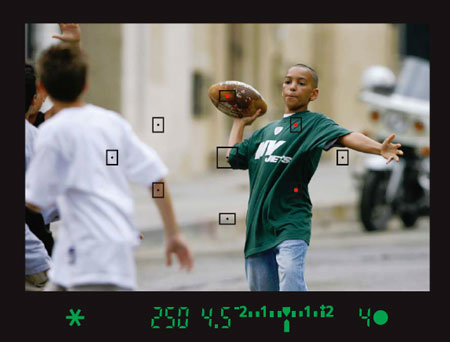
Canon Rebel XTi
VIEWFINDEER FEATURES: All of the 10 megapixel SLRs have adjustable diopters for dialing in a mild correction for shooting without glasses. The Pentax is the only camera in the group to also offer interchangeable focusing screens.
POWER OPTIONS: The Pentax K10D, Nikon D80, and Canon XTi all offer optional battery grips for providing more power and options for vertical shooting. The Sony A100 does not offer this feature. All four models use proprietary Lithium-Ion batteries that can provide 800 exposures or more before recharge, and the battery charger is included in the retail package. Canon reduced the size and capacity of the XTi battery, which may affect the number of shots between charges compared to the 8 megapixel XT model. The Sony A100 uses a new battery type that is not interchangeable with earlier Maxxum digital camera batteries. Oddly enough, the Pentax K10D turns out to use the same NP400 battery that powered the last Minolta Digital SLRs like the Maxxum 5D, so your spare Maxxum batteries will work in the new Pentax K10D. The Nikon D80 remains a proprietary design that refines and extends the capabilities of batteries used in the D70 and D70s.
ANTI-SHAKE: Minolta pioneered anti-shake built into the camera body, which allowed shooting at slower shutter speeds with any lens attached to the camera. Sony refined and improved the feature. Pentax also has added an anti-shake program that is even more sophisticated than the one used by Sony. Both Canon and Nikon have special lenses with anti-shake motors, but they are very expensive, and anti-shake only works with those lenses.
COMPATABILITY: Nikon and Canon are the brands that most often come to mind when you think of professional photography. They both have large lens lines that work on their cameras. The new Sony uses the Minolta Maxxum lens mount and can mount and work with almost any of the 18 million Maxxum mount lenses sold in the last 20+ years. The Pentax K10D has full functionality with any autofocus K-mount lens, and these lenses have been manufactured for many years. In addition Pentax has special focus assist for ANY Pentax K-mount lens ever produced - which now total about 25 million lenses. You can even use older screw-mount Pentax lenses in manual mode with a screw-to-K-mount adapter
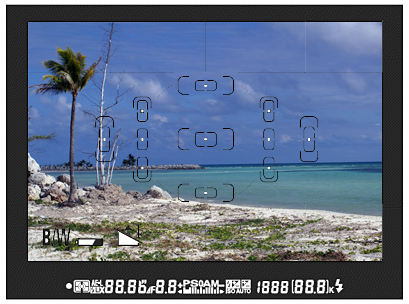
Nikon D80
AUTOFOCUS: All cameras were compared using a 50f1.4 lens, since the shallow depth of field evened the focusing playing field for all cameras. All four 10 megapixel cameras were very fast in focusing and locking on the same subjects - much better than older models like the Pentax *ist D or the original 6 megapixel Canon Digital Rebel. Focusing noise was lowest for the Canon, but it was only very slightly quieter than the Nikon D80 (with a 50f1.4D) and Pentax K10D (50f1.4 FA) which were virtually tied. The Sony was just as fast in focusing, but noisier than the other cameras with a Minolta 50f1.4 lens. Perhaps the Sony would be quieter with the reworked Sony 50f1.4 if anyone could find it and they are willing to pay the new $350 cost Sony is asking. However, this was as fair as we could make it with the 50f1.4 lenses we had available.
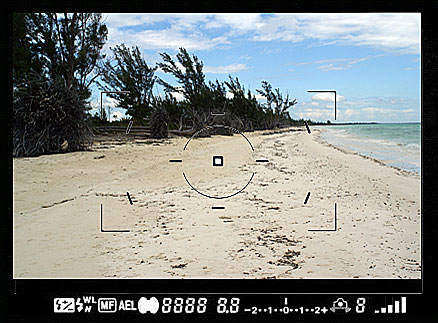
Sony A100
FOCUS MODULE: All four 10 megapixel SLRs use some of the most capable focusing modules available from each manufacturer. There are, however, some differences in technical specifications and functionality. The Pentax K10D uses an 11-point focusing system, Nikon also uses an 11 point focusing array with a layout similar to the Pentax K10D, Sony uses an 8-point array, and Canon uses their 9 point focus array that is apparently borrowed from the 30D. The number of points is only part of the story, however, since most manufacturers use the more sensitive cross array for the center point only. The Cross point is sensitive to both vertical and horizontal detail where the single point is sensitive to just one direction. Pentax says they use 9 cross points in their focusing module.
In items as complex as a camera, different buyers find different features important to their needs. For that reason we will attempt to look at areas that are typically important to some buyers and compare the four cameras in that area.
Pentax K10D
VIEWFINDER: The Pentax has the best viewfinder, followed closely by the Nikon D80, then the Sony A100. The Sony viewfinder is remarkable for a penta-mirror setup, but it is no match for the true pentaprisms in the Nikon and Pentax. The Canon is by far the worst of the lot in viewfinders. Best in this case is measured by brightness of the screen image, ease of seeing the entire screen, and "natural perspective". If you want to see a mediocre viewfinder for comparison take a look at the Olympus E500 which makes the user feel like they are looking down a tunnel.
Canon Rebel XTi
VIEWFINDEER FEATURES: All of the 10 megapixel SLRs have adjustable diopters for dialing in a mild correction for shooting without glasses. The Pentax is the only camera in the group to also offer interchangeable focusing screens.
POWER OPTIONS: The Pentax K10D, Nikon D80, and Canon XTi all offer optional battery grips for providing more power and options for vertical shooting. The Sony A100 does not offer this feature. All four models use proprietary Lithium-Ion batteries that can provide 800 exposures or more before recharge, and the battery charger is included in the retail package. Canon reduced the size and capacity of the XTi battery, which may affect the number of shots between charges compared to the 8 megapixel XT model. The Sony A100 uses a new battery type that is not interchangeable with earlier Maxxum digital camera batteries. Oddly enough, the Pentax K10D turns out to use the same NP400 battery that powered the last Minolta Digital SLRs like the Maxxum 5D, so your spare Maxxum batteries will work in the new Pentax K10D. The Nikon D80 remains a proprietary design that refines and extends the capabilities of batteries used in the D70 and D70s.
ANTI-SHAKE: Minolta pioneered anti-shake built into the camera body, which allowed shooting at slower shutter speeds with any lens attached to the camera. Sony refined and improved the feature. Pentax also has added an anti-shake program that is even more sophisticated than the one used by Sony. Both Canon and Nikon have special lenses with anti-shake motors, but they are very expensive, and anti-shake only works with those lenses.
COMPATABILITY: Nikon and Canon are the brands that most often come to mind when you think of professional photography. They both have large lens lines that work on their cameras. The new Sony uses the Minolta Maxxum lens mount and can mount and work with almost any of the 18 million Maxxum mount lenses sold in the last 20+ years. The Pentax K10D has full functionality with any autofocus K-mount lens, and these lenses have been manufactured for many years. In addition Pentax has special focus assist for ANY Pentax K-mount lens ever produced - which now total about 25 million lenses. You can even use older screw-mount Pentax lenses in manual mode with a screw-to-K-mount adapter
Nikon D80
AUTOFOCUS: All cameras were compared using a 50f1.4 lens, since the shallow depth of field evened the focusing playing field for all cameras. All four 10 megapixel cameras were very fast in focusing and locking on the same subjects - much better than older models like the Pentax *ist D or the original 6 megapixel Canon Digital Rebel. Focusing noise was lowest for the Canon, but it was only very slightly quieter than the Nikon D80 (with a 50f1.4D) and Pentax K10D (50f1.4 FA) which were virtually tied. The Sony was just as fast in focusing, but noisier than the other cameras with a Minolta 50f1.4 lens. Perhaps the Sony would be quieter with the reworked Sony 50f1.4 if anyone could find it and they are willing to pay the new $350 cost Sony is asking. However, this was as fair as we could make it with the 50f1.4 lenses we had available.
Sony A100
FOCUS MODULE: All four 10 megapixel SLRs use some of the most capable focusing modules available from each manufacturer. There are, however, some differences in technical specifications and functionality. The Pentax K10D uses an 11-point focusing system, Nikon also uses an 11 point focusing array with a layout similar to the Pentax K10D, Sony uses an 8-point array, and Canon uses their 9 point focus array that is apparently borrowed from the 30D. The number of points is only part of the story, however, since most manufacturers use the more sensitive cross array for the center point only. The Cross point is sensitive to both vertical and horizontal detail where the single point is sensitive to just one direction. Pentax says they use 9 cross points in their focusing module.
Originally published at https://www.anandtech.com/show/2142 (Wayback Machine).