
From Mango to Apollo: The HTC Windows Phone 8X on the Daily
Migrating from Windows Phone 7.5
If you're one of the precious few people who invested in Windows Phone 7 and 7.5 like I did, Windows Phone 8 is going to feel pretty lackluster initially, if not even capable of engendering a mild feeling of resentment. Windows Phone 7 was a rough draft and a product with no real future the moment it left Microsoft, and they knew it. If you're a Blizzard fan you're probably used to being treated like a free beta tester, but for the rest of us, the relatively barren app ecosystem, entry level operating system, outdated hardware, and lack of support even from Microsoft undoubtedly felt disappointing.
With all that griping said, though, you couldn't really deny that Microsoft had produced a very polished experience. More than anything, Windows Phone 7 was stable. While Android and iOS can suffer from apps becoming increasingly bloated (leaving some handsets nigh unusable), WP7 was able to make even its fairly outdated hardware at least feel snappy. Any problems I had with the Dell Venue Pro were because of the Dell Venue Pro, and not its operating system.
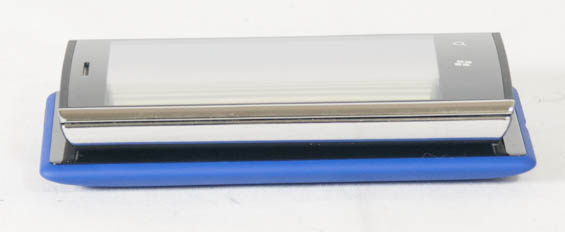
Switch to Windows Phone 8 and things change a little bit. The expanded hardware support means we get phones like the HTC Windows Phone 8X that are remarkably fast, fully-featured pieces of kit; multiple reviews of the 8X, ironically enough, wanted an Android version of it. With the lackluster hardware support of WP7 out of the equation, WP8 feels snappier still and remains an incredibly responsive operating system. If you liked how smooth WP7 felt, you'll love WP8.
The problem is that it's not quite as stable as WP7 was, and that's due chiefly to app compatibility. While I haven't had any major problems with the hardware or even most of the software I've run on it, Zynga's bloated code nightmare Words with Friends has caused my handset to either hang or reset multiple times. I would expect users running older WP7 and 7.5-based applications to have a mostly trouble free experience (and certainly worlds better than Android), but there are still hiccups here and there.
As for actually making the jump from 7.5 to 8, since the UI is almost exactly the same, it's incredibly easy to switch. Everything is where you left it, it's just now there's more of it. The quarter-sized live tiles are a welcome addition, the faster hardware is a major improvement, and probably best of all, Microsoft is starting to really throw their weight behind the OS and its app ecosystem. Third party apps exist to handle a lot of what you're looking for, and they do it reasonably well, but I'm really looking forward to an official Pandora app. Nokia making Drive available for all WP8 handsets is also a major boon. While Apple Maps turn-by-turn navigation was likely to lead you to the family from The Hills Have Eyes, at least you didn't have to look at or tap the display to get there.
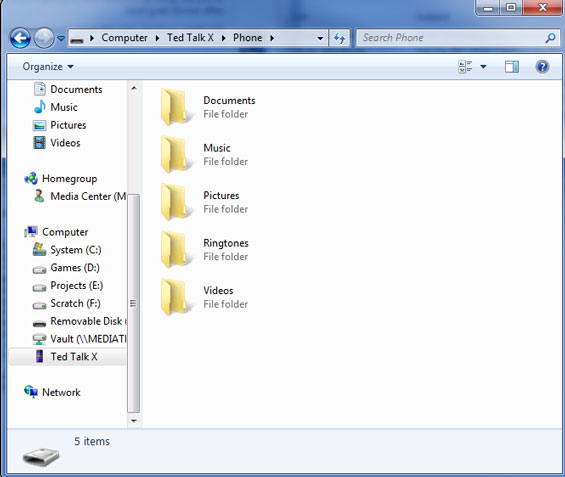
Managing your Windows Phone from your computer has also gotten dramatically easier. You no longer use the Zune software (putting one of the last nails in Zune's coffin) for WP8; instead, the Windows Phone (helped by its new NT-based kernel), after a Windows Update, can basically be navigated to as conventional storage. That means you can simply drag and drop music, video, photos, documents, and even ringtones directly into their respective folders straight from Windows Explorer. It's a huge usability improvement. If you'd still rather use a dedicated application to handle it, you can download one from Microsoft, but this is a tremendous improvement over having to fuss with Zune.
Originally published at https://www.anandtech.com/show/6692/from-mango-to-apollo-the-htc-windows-phone-8x-on-the-daily (Wayback Machine).