
Apple iOS 5 Review
In iOS 5, we see Apple taking what some competitors have done better and implementing them in its own way. The parallels between iMessage and BlackBerry Messenger are impossible to ignore, same with the new iOS notifications and Android’s pull-down notification shade. iCloud brings cloud-based information and data storage to iOS, something that has always been one of the cornerstones of Android. Between the new feature-completeness and the new UI refinements, iOS 5 ends up being more polished, more convenient, and more useful than it has been in any previous iteration.
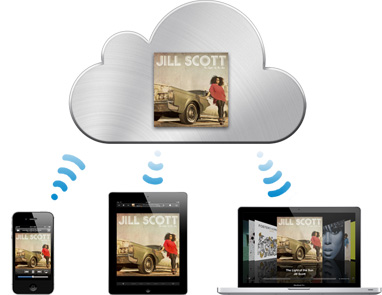
There are a few larger themes to note with this release. Apple is starting to realize what is possible with the iPad’s larger screen, with the emphasis on gestures for OS navigation and tablet-friendly UI refinements. In iOS 5, they’re pretty low-key, but this has the potential to be a big influence on the UI/UX design going forward. I’m excited to see where Apple goes with this in the future. The other trend here is Apple’s continuing march towards turning iOS into a fully PC independent platform. iOS users now have more control over the OS, with untethered device setup, wireless software updates, wireless sync, and even simple things like removing songs and making new folders for photos, all capable without the device ever being plugged into a PC. In fact, since updating to iOS 5, I have yet to plug my iPad into my iTunes machine. Apple is using iOS to try and usher in the Post-PC era, and this is the first serious shot at it. At this point, someone with light computing requirements could conceivably have an iPad as their only computing device and get away with it. Considering where we were just two years ago, when saying that about any UMPC-like tablet would have gotten you some really funny looks, this is truly impressive.
Despite the PC/Mac independence however, there's another very important unifying aspect to iCloud: it makes adding and adopting new Apple products even easier. If you're already a Mac user it'll make the move to an iPhone or iPad more seamless, and the same works in reverse. I should also add that if Apple simply develops an iMessage client for OS X (or ideally, opens it up for third party developers to use) then it will have a messaging service that works over IP and can follow you across smartphone, tablet and Mac. Tie in FaceTime (and perhaps an audio-only equivalent?) and you've got a powerful communications platform.
Apple still has relatively small marketshare in the grand scheme of things (% of total computers and total phones sold), making iCloud a clear play to convert some of the non-Apple users. It's a very smart strategy, one that can influence users to remain within the Apple product family rather than look elsewhere for their needs. It's very reminiscent of Microsoft from the 1990s, but in a far more consumer focused sense. I don't know that the iCloud strategy is enough to sell Apple products on its own, but it may make pulling people away from Apple much more difficult.

I find myself coming away from iOS 5 very pleased by what it brings to the table. It fixes the single biggest issue with iOS dating back a few generations and integrates a few new features very seamlessly without changing the feel or polish of the OS. However, at the same time, I find myself wishing Apple had tried something more daring with the design of iOS 5, especially in light of the significant redesigns Microsoft and Google are in the process of giving their mobile platforms. But iOS has definitely been a success for Apple, so you can’t fault it for not messing with what has worked so well thus far. This is, of course, only part of the story. The rest is with the hardware side - half written already with the iPad 2, and the other half set to come in a few days time with the iPhone 4S.
Originally published at https://www.anandtech.com/show/4956/apple-ios-5-review (Wayback Machine).