
VIA PT880 PRO: Biostar’s Deluxe Dual Combo
- Posted in
- Motherboards
Biostar PT880 Pro-A7 Combo
The VIA VT8237R SATA ports are located above the IDE connectors. The SATA ports feature the newer clamp-and-latch design. Unlike other recently reviewed boards, the SATA ports are not color-coded for primary and secondary operation, though that is a minor concern. We found the positioning of the SATA ports to be very good when utilizing the PCI slots or IDE port connectors.
The VIA VT8237R chipset is not passively or actively cooled while being located above the SATA ports. The VIA USB connectors and chassis panel are located to the left of the VT8237R chipset.
The orange AGP 3.0 connector is located first, the yellow physical X16 connector is located next, and these are followed by the (4) 32-bit PCI slots. We did not have any issues installing our NVIDIA 6800 Ultra in the AGP 3.0 slot, though this configuration will physically render the X16 PCI Express slot useless. We did not have any issues utilizing this slot with video cards containing single slot cooling systems.
On the PCI Express side, we were also able to install our EVGA 7800GTX 512MB or ATI X1900XTX video cards in the X16 slot without difficulty. This configuration will physically render the first PCI slot useless. Naturally, utilizing this slot with video cards containing single slot cooling systems did not pose any problems.
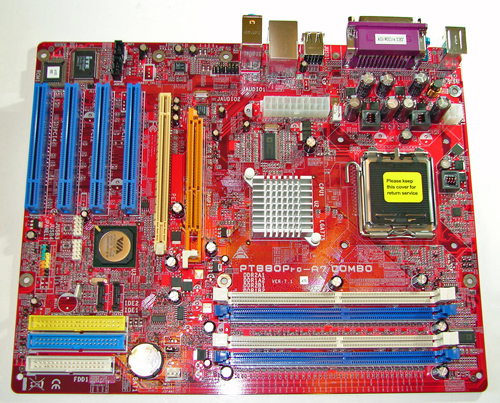
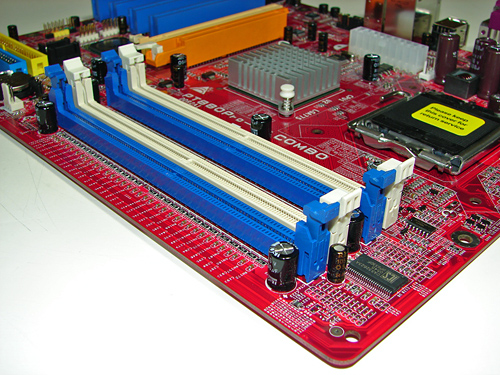
The VIA PT880 PRO chipset is passively cooled with a low rise heat sink unit that did not interfere with any installed peripherals. In fact, this unit kept the chipset cool enough that additional chipset voltage was not a factor in our overclocking tests.
Due to the location of the CPU fan header, users with 24-pin ATX connectors that cannot be split apart (i.e. detach the extra 4-pin connector) will not be able to use their power supplies without an adapter. Biostar utilizes a 3-phase power regulation system that did not create issues in our testing, but we notice V-core voltage fluctuations when trying to overclock the board.
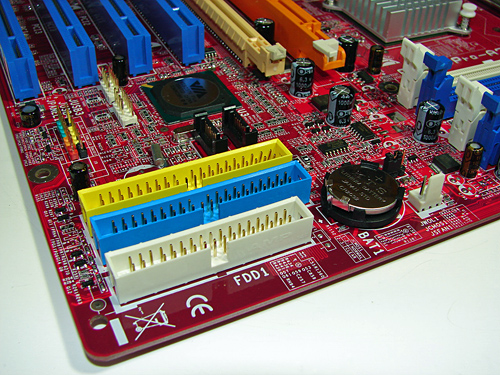
The VIA VT8237R SATA ports are located above the IDE connectors. The SATA ports feature the newer clamp-and-latch design. Unlike other recently reviewed boards, the SATA ports are not color-coded for primary and secondary operation, though that is a minor concern. We found the positioning of the SATA ports to be very good when utilizing the PCI slots or IDE port connectors.
The VIA VT8237R chipset is not passively or actively cooled while being located above the SATA ports. The VIA USB connectors and chassis panel are located to the left of the VT8237R chipset.
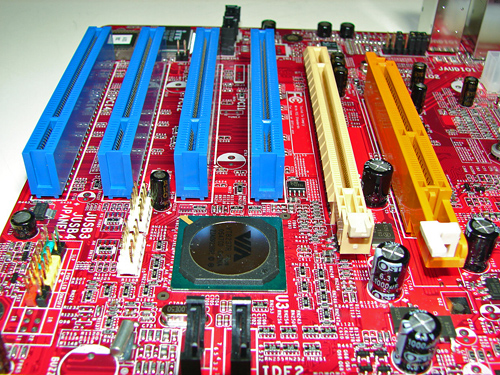
The orange AGP 3.0 connector is located first, the yellow physical X16 connector is located next, and these are followed by the (4) 32-bit PCI slots. We did not have any issues installing our NVIDIA 6800 Ultra in the AGP 3.0 slot, though this configuration will physically render the X16 PCI Express slot useless. We did not have any issues utilizing this slot with video cards containing single slot cooling systems.
On the PCI Express side, we were also able to install our EVGA 7800GTX 512MB or ATI X1900XTX video cards in the X16 slot without difficulty. This configuration will physically render the first PCI slot useless. Naturally, utilizing this slot with video cards containing single slot cooling systems did not pose any problems.
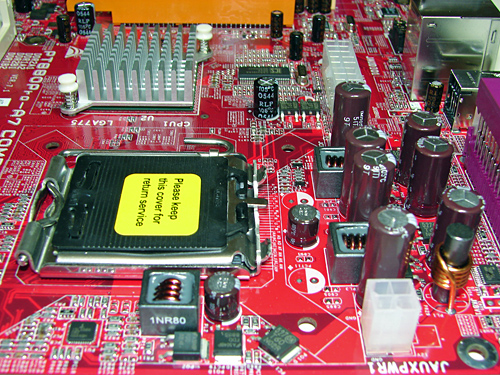
The VIA PT880 PRO chipset is passively cooled with a low rise heat sink unit that did not interfere with any installed peripherals. In fact, this unit kept the chipset cool enough that additional chipset voltage was not a factor in our overclocking tests.
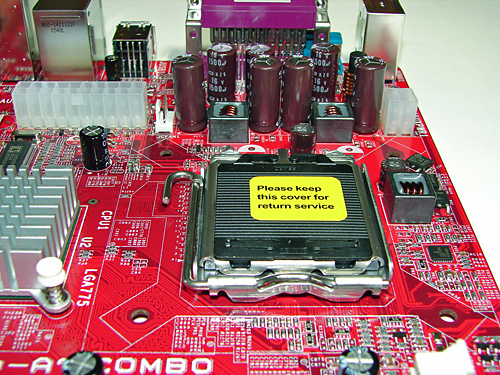
Due to the location of the CPU fan header, users with 24-pin ATX connectors that cannot be split apart (i.e. detach the extra 4-pin connector) will not be able to use their power supplies without an adapter. Biostar utilizes a 3-phase power regulation system that did not create issues in our testing, but we notice V-core voltage fluctuations when trying to overclock the board.
Originally published at https://www.anandtech.com/show/1974 (Wayback Machine).