Price-Point Comparing Three-Way Case Shootout
- Posted in
- Cases/Cooling/PSUs
Dynapower E68 (cont’d)
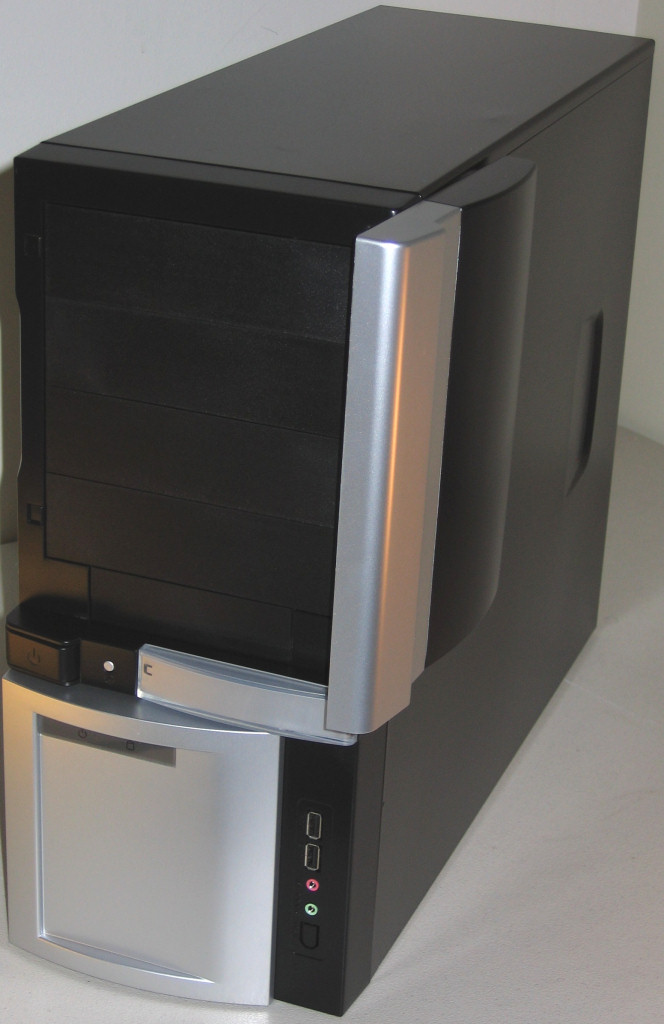
The bezel doesn't just have the ability to slide at the bottom either; in addition to hinging to reveal the drive bays, the main portion (the top door) also slides along a couple of slits so that after opening, it can be further moved out of the way. While some people might consider such a dynamic front gaudy, it's still undeniable that it's a very nice front panel, especially given this unit's cost.
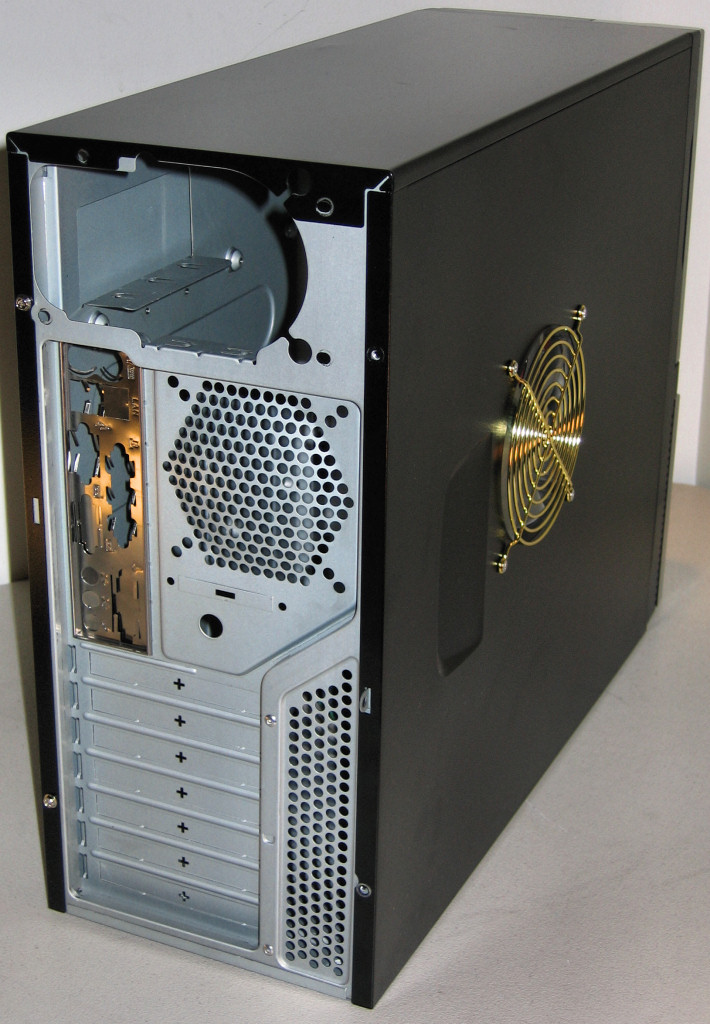
With all the attention that the front of this case has received, it's a good thing that the rest of the case is almost entirely devoid of anything that needs a lengthy explanation! This last picture of purely the exterior of the chassis really doesn't differ much from the other two cases that we've looked at all. Again, the side-mounted 120mm fan shows up, but besides that, there are no other elements of cooling to investigate here.
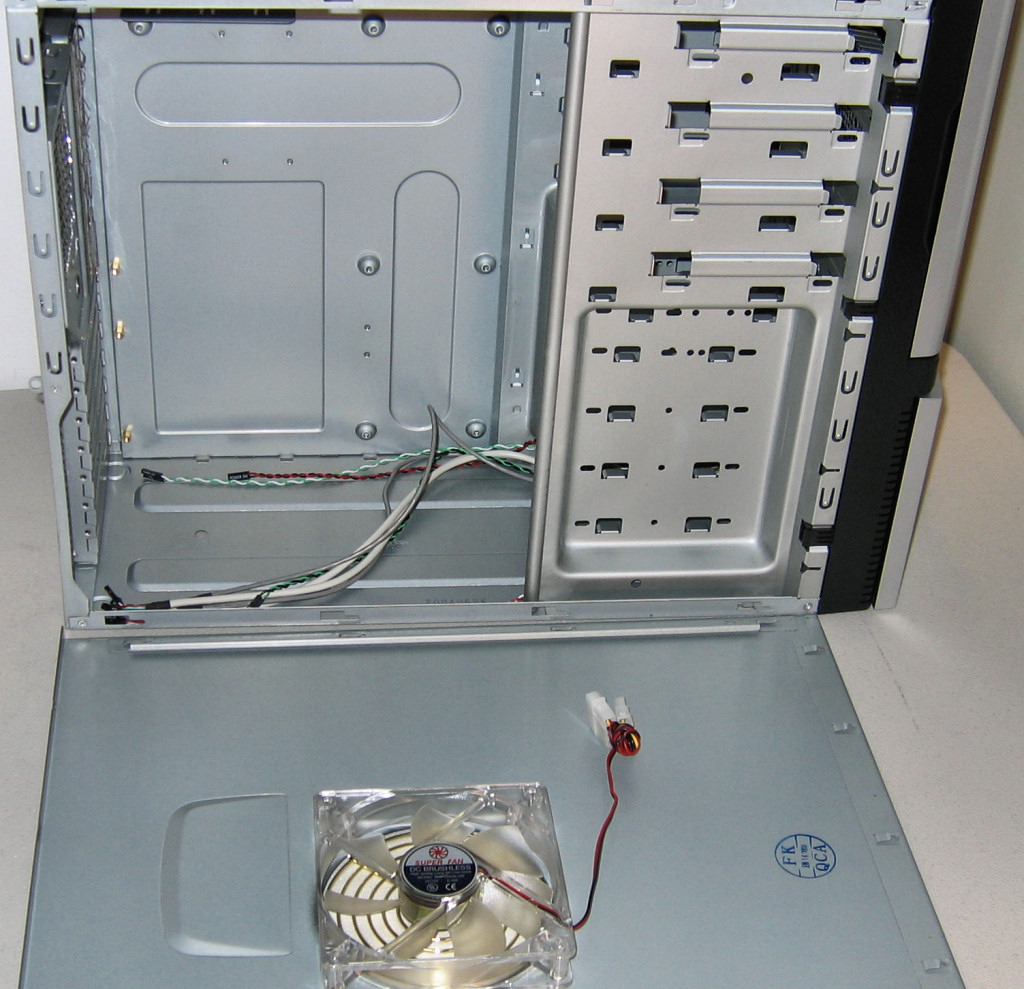
With that investigation over, let's dive into this value-oriented case. First off, as is probably to be expected, there are no tool-less elements in the E68. Also, we should mention that we actually routed the cables from the front through a different opening to help our cable management.
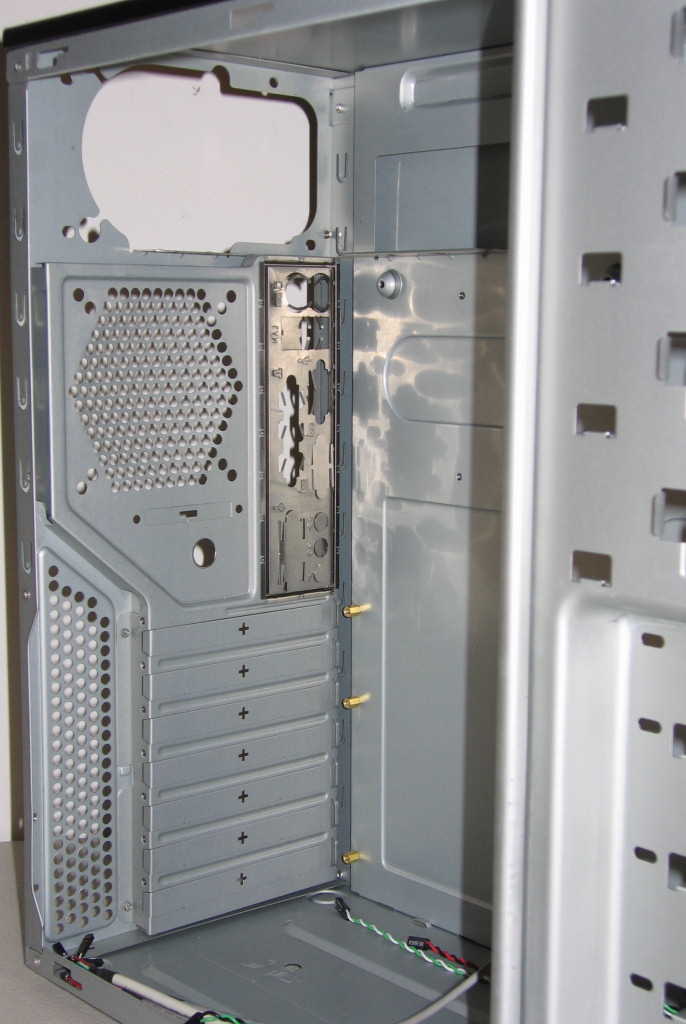
Even so, the actual expandability of the Dynapower case is just as good as the other two cases. Four hard drives, one external 3½“, and four external 5¼” drives can all be accommodated in the E68.
Support for different motherboard types is even more limited in this case, but again, the standard ATX types shouldn't be much of a problem, if at all.
Standard knock-out expansion card covers are the name of the game here, but unlike other incarnations, these won't sever an appendage when attempting to remove them. And considering the lack of tool-less options here, it's tough to beat the tried-and-true method of using a single screw to hold each add-in card in place.
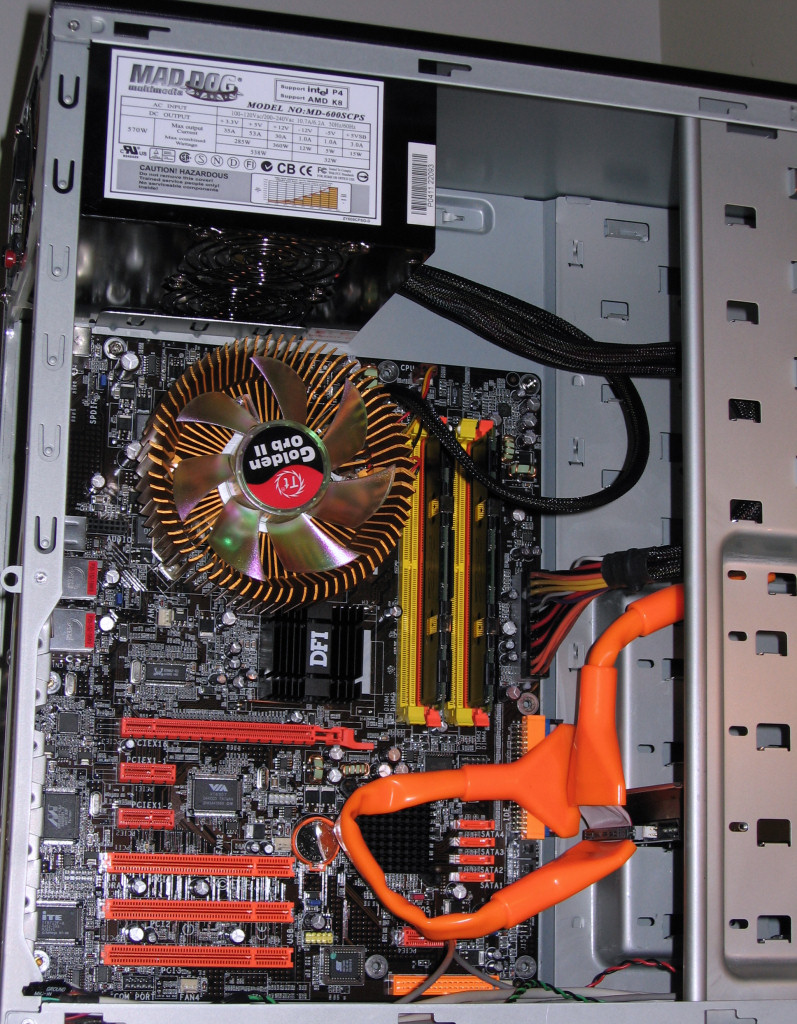
Really, that's about all there is to the inside of the E68. With a steel construction, the case feels just as sturdy as the X1, and if one wants, they can add another 120mm fan in the back and 80mm in the front. Installing our test bed was entirely void of surprises. The side-mounted IDE cable was neither easier nor harder than in the previous mid-towers.
The bezel doesn't just have the ability to slide at the bottom either; in addition to hinging to reveal the drive bays, the main portion (the top door) also slides along a couple of slits so that after opening, it can be further moved out of the way. While some people might consider such a dynamic front gaudy, it's still undeniable that it's a very nice front panel, especially given this unit's cost.
With all the attention that the front of this case has received, it's a good thing that the rest of the case is almost entirely devoid of anything that needs a lengthy explanation! This last picture of purely the exterior of the chassis really doesn't differ much from the other two cases that we've looked at all. Again, the side-mounted 120mm fan shows up, but besides that, there are no other elements of cooling to investigate here.
With that investigation over, let's dive into this value-oriented case. First off, as is probably to be expected, there are no tool-less elements in the E68. Also, we should mention that we actually routed the cables from the front through a different opening to help our cable management.
Even so, the actual expandability of the Dynapower case is just as good as the other two cases. Four hard drives, one external 3½“, and four external 5¼” drives can all be accommodated in the E68.
Support for different motherboard types is even more limited in this case, but again, the standard ATX types shouldn't be much of a problem, if at all.
Standard knock-out expansion card covers are the name of the game here, but unlike other incarnations, these won't sever an appendage when attempting to remove them. And considering the lack of tool-less options here, it's tough to beat the tried-and-true method of using a single screw to hold each add-in card in place.
Really, that's about all there is to the inside of the E68. With a steel construction, the case feels just as sturdy as the X1, and if one wants, they can add another 120mm fan in the back and 80mm in the front. Installing our test bed was entirely void of surprises. The side-mounted IDE cable was neither easier nor harder than in the previous mid-towers.
Originally published at https://www.anandtech.com/show/1922 (Wayback Machine).