
Intel 945P Motherboards: Going from Hopeless to Enthusiastic
- Posted in
- Motherboards
This line as spoken in F. Scott Fitzgerald's pithy and self-reflecting essay, "The Crack-Up", should remind us in these times of increasing polarization to realize while heatedly debating other's opposing viewpoints that one should maintain dignity and respect for that viewpoint and the person expressing it."The test of a first-rate intelligence is the ability to hold two opposing ideas in mind at the same time and still retain the ability to function. One should, for example, be able to see that things are hopeless yet be determined to make them otherwise."
Those of us who follow the computer industry fully realize the effects of polarization as we read, view, discuss, and openly debate, in sometimes-heated fashion, the merits of each manufacturer's products. This typically leads into discussions regarding Intel versus AMD, NVIDIA versus ATI, Linux versus Windows, Asus versus Gigabyte, PC versus Mac, and so forth until at times our opinions are so one-sided that we fail to recognize the merits of the other product or more importantly, the ability to respect another's opinion.
I have to be honest with you in regards to this article and the products that we are reviewing today. As a devoted computer enthusiast, I fully admit the thought of reviewing the boards included in this article did not excite me, not because of the manufacturers involved, but rather due to the Intel 945 chipset. It has certainly sold in the hundreds of thousands from the likes of Dell, Hewlett-Packard, and others, but unless someone was standing on the street corner praising the virtues of this chipset would you really care about it.
I mean, here we have a chipset that is an excellent follow up to the Intel 915, offers the latest technology, provides very good performance for the dollar, is available in a myriad of configurations, and simply does what it is asked to do without question or issue, but is it enough to change an opinion? It certainly changed our opinion, but probably not for the reasons that one might believe.
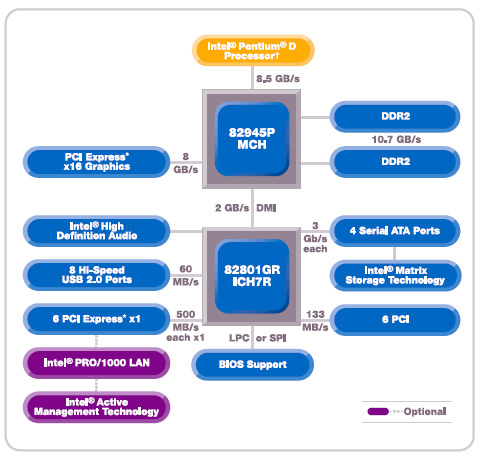
Today, we are reviewing the Epox 5LDA+GLI, Foxconn 945P7AA-8EKRS2, and Asus P5LD2 Deluxe based on the Intel 945P chipset. All three manufacturers took a slightly different approach to utilizing this chipset with, at times, similar results.
Let's see what these boards are capable of and if one's opinion can be changed.
Originally published at https://www.anandtech.com/show/1857 (Wayback Machine).