Archive 1997–2024

SFF Review - Shuttle XPC SN25P


Overclocking

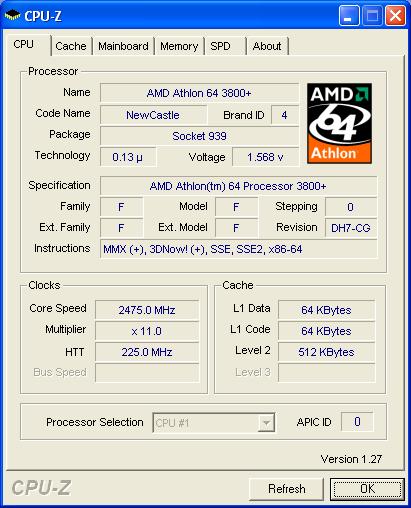
With Athlon 64 processors being downward multiplier unlocked, overclocking options are abundant. We have a 3800+ CPU running at 2.4 GHz with a 12X multiplier. In theory, then, a 10X multiplier and a 240MHz bus would give us the same 2.4GHz. That doesn't necessarily translate into dramatically improved performance, but at least it should let us know whether or not the motherboard can properly run with a higher bus speed. Here are the overclocking results that we attained with the current BIOS revision.

Maximum FSB

We were unable to get the system to run properly with a CPU bus higher than 224MHz, regardless of what RAM timings, HyperTransport multiplier, CPU voltage, etc. that we had specified. We ended up using 2-3-2-6 timings, but we are clearly limited by something other than the RAM. That is a rather disappointing result as far as overclocking is concerned. Unless this is improved, those looking at purchasing a 90nm Athlon 64 3200+ and overclocking to 2.5GHz are going to be disappointed. Our guess is that the PCI Express bus is not locked to 100 MHz, so at a bus speed of 224 MHz, the PCIe bus would be at 112MHz. Pushing the speed of the PCIe bus beyond 112MHz would certainly begin to cause issues.

Maximum CPU

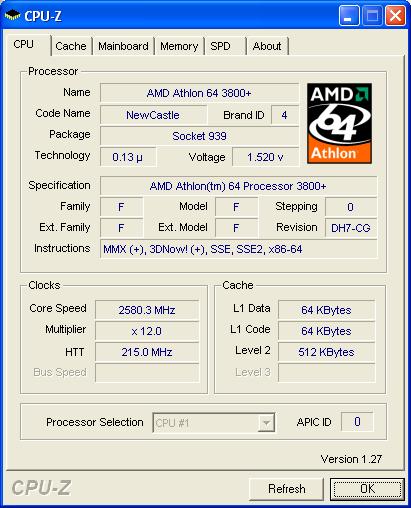
Sticking with the maximum 12X multiplier of our CPU, we were able to reach a CPU speed of 2568MHz using a bus speed of 214MHz. Since our 3800+ is a 130nm chip, we are most likely limited by the CPU rather than by the system. (We have not fully tested this particular CPU in other systems, so the maximum overclock is an unknown, but near 2.6GHz is pretty typical for the 130nm Athlon 64 chips.)

Latest BIOS (FN25S906.BIN)

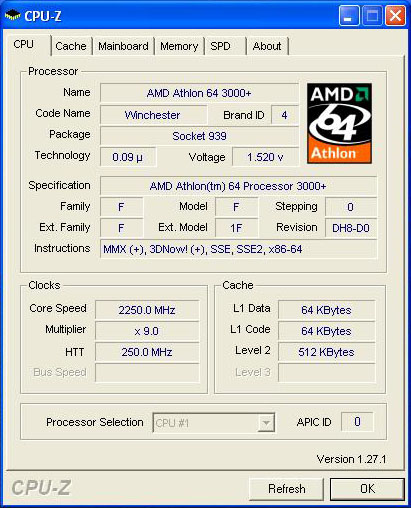
Shuttle sent us results showing the improvements to their latest BIOS revision. They are able to hit a 250 MHz bus without problems, yielding a clock speed of 2250MHz with their 90nm 3000+ chip. They are still working on increasing the supported (and stable) bus speeds to 300 MHz, and we will report results for this once we receive the latest BIOS version.

If you're looking for a really great overclocking SFF, the SN25P appears to be able to deliver. Given the early nature of the product that we're reviewing, future BIOS and motherboard revisions should continue to improve the situation. The initial BIOS that we received didn't allow proper adjustment of memory timings, and later versions were unable to run beyond a 224 MHz CPU bus. Once again, we see that for overclocking support, proper BIOS programming can make or break a system. We still have some reservation about the overclocking worthiness of the SN25P, but assuming that they can get stable support up to 300 MHz, it will be one of the best - perhaps "only" may be the better term - overclocking platforms for socket 939 among SFF systems.

Originally published at https://www.anandtech.com/show/1640 (Wayback Machine).