
ATI Radeon 9700 Pro - Delivering as Promised
- Posted in
- GPUs
Anisotropic Filtering Quality
In our technology overview we explained that the R300 core had a slightly different anisotropic filtering engine when compared to the Radeon 8500; the two aren't drastically different, but a few bugs have been fixed. Part of the result of this is a new driver option for performance/quality anisotropic filtering, before we get to benchmarking with anisotropic filtering enabled let's do a quick image quality comparison:
Anisotropic Filtering Disabled
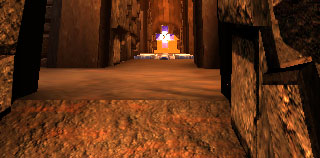
GeForce4 - 2X (16-tap) Anisotropic Filtering enabled
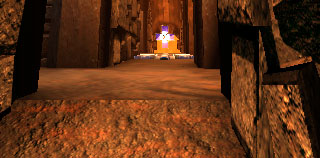
GeForce4 - 4X (32-tap) Anisotropic Filtering enabled
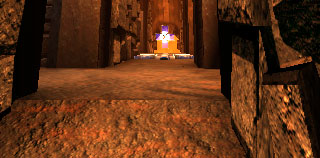
GeForce4 - 8X (64-tap) Anisotropic Filtering enabled
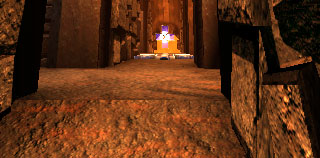
Radeon 9700 Pro - 16X Performance Anisotropic Filtering Enabled
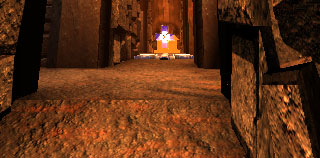
Radeon 9700 Pro - 16X Quality Anisotropic Filtering Enabled
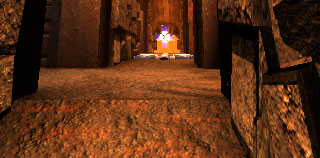
It's important to note that in most cases (such as the one above), you won't be able to tell any difference between ATI's performance and quality anisotropic filtering settings.
As you can see, ATI's 16X offers quality that rivals NVIDIA's 8X. But why compare the two? Remember that ATI uses an adaptive algorithm that doesn't always take the maximum number of samples dictated by the anisotropic filtering setting, this allows the Radeon 9700 Pro to offer similar image quality in many cases but with a much lower performance hit. Let's take a look at the numbers to see how low.
Originally published at https://www.anandtech.com/show/970 (Wayback Machine).