
The OnePlus One Review
Still Image Performance
Quibbles with the camera application aside, it's important to look at the results that the OnePlus One's camera is capable of putting out. While it was effectively impossible to properly frame the ISO chart for resolution testing, we can look at a broad range of other situations that can help to distinguish the OnePlus One's camera one way or another.


In this example, the OnePlus One really does a good job with handling fine detail and dynamic range. There's relatively little artifacting given the sheer amount of detail that has to be captured in this landscape shot, and there's very little blurring of detail. Unfortunately, we can already start to see some luminance and color noise, as seen on the building on the left side of the photo.


In the interest of documenting camera behavior with the various OTAs, I managed to take a few lightbox photos with the OnePlus One as well. In this scene, we can see that the pre-38R the camera has similar behavior, but with much more detail preserved when viewed at 100%. Unfortunately, this also comes with rather significant luminance noise despite strong lighting to keep the camera at a relatively low ISO.


Unfortunately, the camera software is also lacking when it comes to HDR mode. A good HDR mode is almost required at this point as these smartphone cameras have so little dynamic range, and this is where the OnePlus One also falls short. Significant halos can be seen all around high-contrast areas. On the bright side, the output does have very high dynamic range, but it is glaringly obvious when used. This is especially odd as the IMX214 supports SME-HDR, which makes it possible to do HDR within a single photo instead of requiring multiple exposures that can cause these halos and ghosting effects.


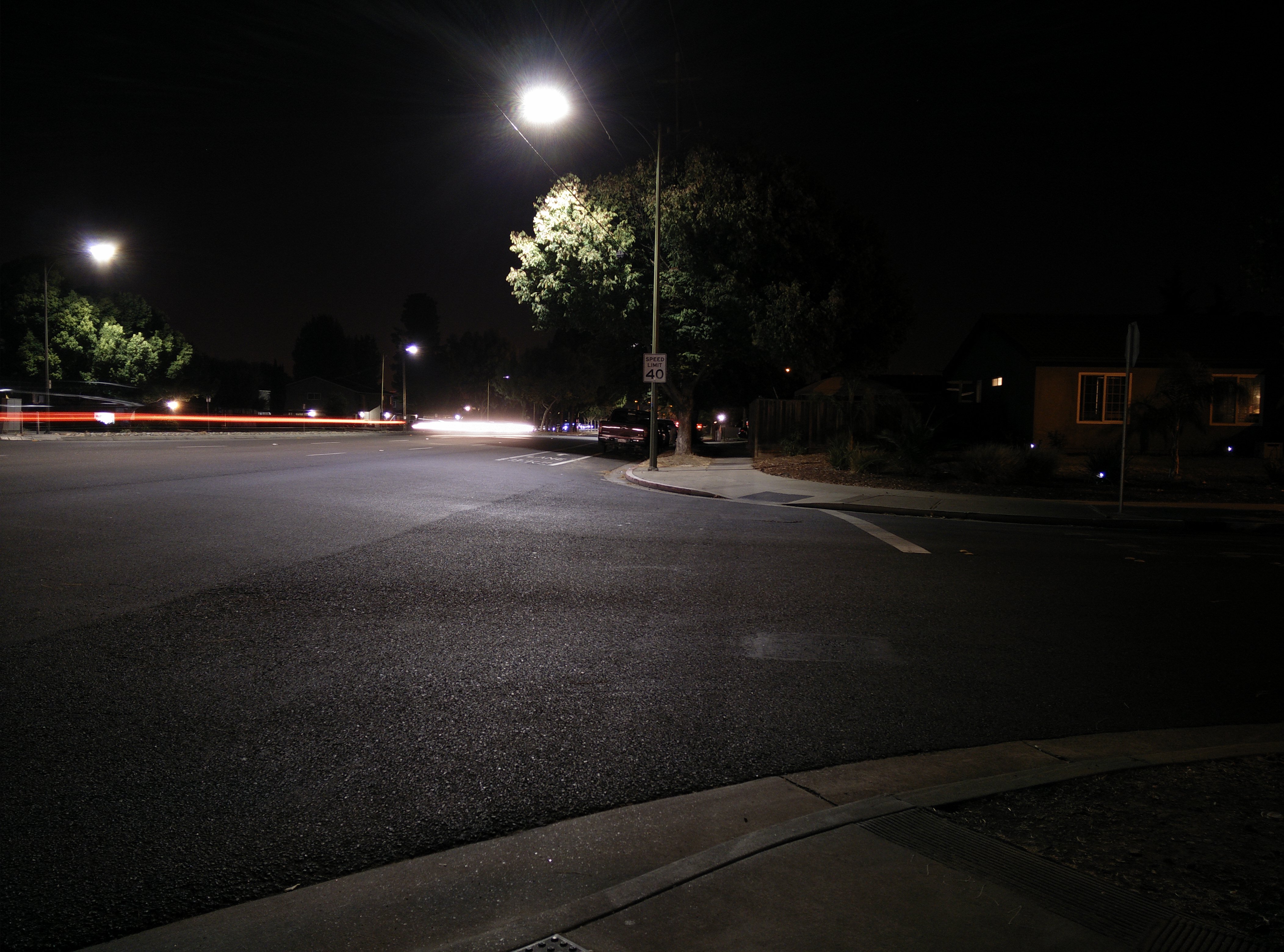
On the other end of the spectrum, the OnePlus One is really a bit disappointing in low light. As one can see, before the 38R update there was effectively zero attempt at noise reduction in low light, and even when shrunk to 678 pixels wide it's pretty obvious that there is an immense amount of color noise. At 100%, there are even hot pixels present that make for an incredibly poor image. The slow shutter mode does make for some incredible quality, but this requires a tripod as exposure time can easily reach a second or more.


Thankfully, with recent updates OnePlus has added some level of noise reduction to the camera processing. Unfortunately, this doesn't fix much as pretty much any low contrast detail is smeared away and areas that don't have detail loss from noise reduction have significant amounts of noise. However, OnePlus is far from the only OEM that has these issues as the Galaxy S5 LTE-A actually has a bit less detail in this test scene despite the larger sensor size. The new updates have also made it extremely difficult to get a photo without significant blur from hand shake with RAW capture on, so this is an issue to consider as well.


On the bright side, with the flash on the OnePlus One does a respectable job. I don't see any real issues here, although the LEDs are a bit on the weak side compared to other devices that I've used this year. Overall, the camera of the OnePlus One is really just average at best. In daytime the camera is definitely quite good but there's already a lot of noise creeping into the photos before we consider low light photos. While the results are better than what we see with devices like the Galaxy S5, this comes at the cost of high amounts of shutter lag and motion blur.
Originally published at https://www.anandtech.com/show/8242/the-oneplus-one-review (Wayback Machine).