
LG Google TV Review
Let’s talk a bit more about the Google TV experience. There are three components to Android, and every other operating system: platform, ecosystem, and access. Providing a structure within which developers can produce powerful applications is important. Ensuring an ecosystem within which users can find and purchase these apps is equally vital. Designing an elegant and intuitive solution for accessing these apps is the most user facing component, and so we spend a lot of time talking about it. In this case, LG has interjected their interface, for better or worse.
Android’s app platform has proven every bit the equal of the alternatives at producing excellent apps for smartphones. While expanding on the new features for Google TV and Honeycomb, several sessions at Google I/O 2011 were spent discussing how developers could use new UI design frameworks within the SDK to build apps whose UIs could extend to displays of all sizes. We’ve had two iterations of Android since then, and this design framework has been built upon; and yet here we are, and one of the most common complaints levied against Android tablets is that there aren’t nearly enough apps. And the same is true for Google TV.
In an age when rich apps are being produced with elegant UIs and immense functionality, too often the “apps” for Google TV are little more than links to a website. In medicine, there’s an old saying: “Salt follows water, and water follows salt.” There’s no need to expand on this particular analogy, but it can be revised to fit this scenario as, “Apps follow hardware, and hardware follows apps.” If there’s a rich selection of apps to be had, sales of hardware will flourish; if hardware sales are high, developers will flood that market with apps. Sales of Google TV hardware have been lagging since its inception. And app selection is poor. So, lose/lose there then.
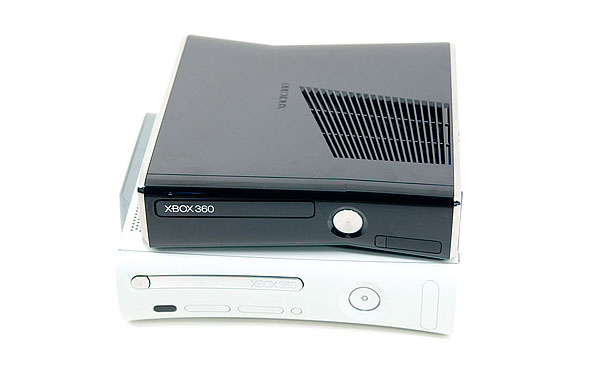
So who does get it right? Five years before the first Google TV device was launched, Microsoft released a simple white box designed to play video games. Having made its way into millions of living rooms, Microsoft unleashed their plan to extend the function of their little white box to include all your entertainment needs. Truth be told, there’s no way that Microsoft could have known in 2005 that apps and streaming video would be all the rage today, but the Xbox 360’s capabilities were expanded and the result is arguably the most satisfying way to engage in streaming media. It’s not the multitasking app experience that you could expect from a modern operating system, and it’s certainly not perfect, but for a television UI and video experience I’d rather have easy to use and complete than complex and lacking.
We're not sure what's next for Google TV. It's been a year since version 2.0 rolled out, and Google has made nary a mention about the platform publicly. Their partners have released some hardware, including Vizio releasing a Marvell-based box, and Samsung will be joining the Google TV initiatives later this year with Smart TVs that offer Google TV services alongside their own content. Samsung's effort, like LG's, will not be vanilla Google TV. Rather, the Korean conglomerate will skin the software with its own UI, including its own take on motion controls (think Kinect, not Wii). I suspect this is an indication of what we'll see going forward, OEMs providing their own interface atop the core of Google TV.
That should all sound quite familiar and a bit worrisome. Skinning on Android handsets is a component in their fragmentation, something they surely would like to avoid with Google TV. Users will not tolerate discovering that a new app or service is unavailable on their two year old television when it's supported on the latest hardware. Whatever Google TV 3.0 and beyond look like, Google has promised that their core apps (YouTube, Search, TV & Movies, Play Store) will be updated on legacy hardware. This includes those based on x86 hardware. This mirrors what we see on Android elsewhere, as even Gingerbread devices are running the current iterations of Gmail and what not.

There's something else we should expect out of Google TV in the future. This year Google anounced an initiative to make YouTube a host to content portals, akin to the more traditional channel model of television. It's this sort of model that should be front and center on Google TV, but instead it's buried within the YouTube app. By elevating YouTube within Google TV, we could come closer to a more traditional television viewing model, but with web video. If you want to get a feel for what this could be like, try out Redux for Google TV.
Originally published at https://www.anandtech.com/show/6287/lg-google-tv-review (Wayback Machine).