
LG Optimus 4X HD: Tegra 3 Handsets Stay Global
The cellular heart of the O4X is Intel’s XMM6260 mobile baseband, a 40nm part that is essentially a platform containing X-Gold’s 626 modem and the Infineon SMARTi UE2 RF transceiver DSP, along with the 3GPP Release 7 HSPA+ protocol stack with support for HSPA Category 14 (21.1 Mbps, which qualifies as HSPA+) downlink and Category 6 (5.76 Mbps) uplink speeds. The speeds are pretty standard these days, and nothing to raise any eyebrows in the days of mobile broadband that’s faster than a lot of home internet connections. At this point in time, LTE networks aren’t nearly as common in Asia as they are in American metropolitans, so the pressure to ship LTE devices in the international market is relatively low. This is why you see the international versions of the new high end devices shipping with HSPA+ instead of the 4G-branded LTE/DC-HSPA+ that tend to rule in the US market.

We’re pretty familiar with this modem already, actually. Among other devices running XMM6260 and/or X-Gold 626? The GSM/HSPA+ Galaxy Nexus, the LG Thrill/Optimus 3D, the Lava Xolo X900, and the international versions of the One X, the Galaxy S II (GT-I9100), and the Galaxy Note (GT-N7000). And that’s not even scratching the surface, there are a plethora of devices running some variant of this baseband, including ones from Huawei and Lenovo. XMM6260 isn’t the latest and greatest anymore, but it’s a very solid, reliable baseband processor that seems to be the go-to component choice for a single-carrier HSPA+ modem.
The O4X supports the requisite quad-band GSM and WCDMA, which, as a T-Mobile user, left me out in the cold, dark world of EDGE data speeds. (Side note: this is the other reason I love the G-Nex. Pentaband WCDMA is like Red Bull, it gives you wings - a truly liberating feeling. I wish more phones had it.) I made good use of Airtel’s HSPA+ network in India, and got data speeds ranging anywhere from 50 kbps to 4 Mbps depending on where I was. It was variable, to say the least, but as long as I stayed in metropolitan areas, I found the mobile broadband pretty livable.
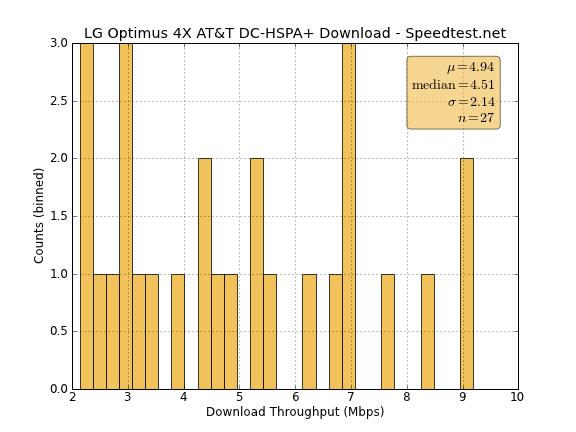
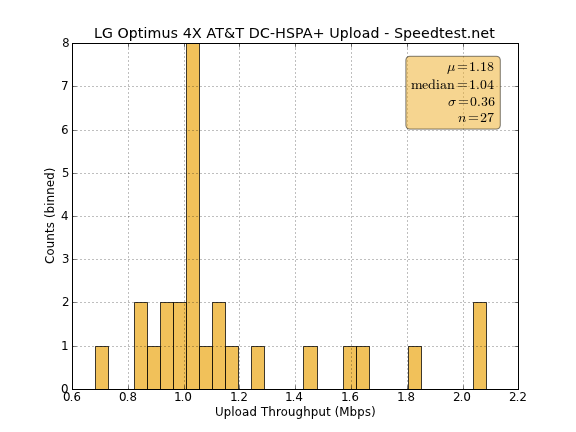
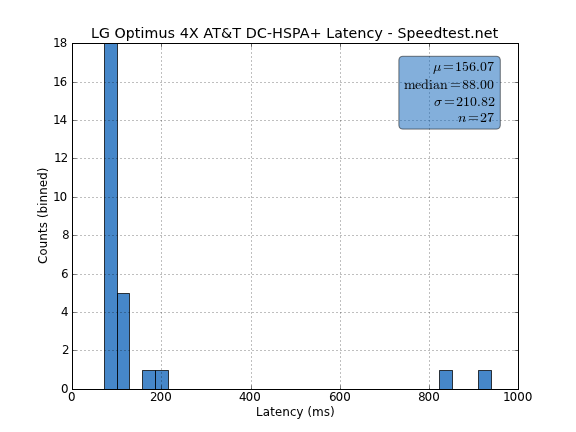
In the US, I did my network testing on AT&T because, really, who wants to use a phone with only an EDGE data connection? (All you T-Mobile iPhone users, I seriously question the amount of pain you go through just to have an iPhone on the Big Magenta. I wouldn’t consider it until T-Mobile converts a significant portion of their PCS band to WCDMA, which can’t happen quickly enough.) I saw download speeds mostly in the 4-7 Mbps range, occasionally dropping down into the 2 Mbps range when signal strength was low, with upload speeds usually somewhere in the 1-1.5 Mbps range. Pretty standard stuff, all the way around.
Originally published at https://www.anandtech.com/show/6098/lg-optimus-4x-hd-international-quadcore-love (Wayback Machine).