
Toshiba Thrive: Honeycomb Hits $300
The Toshiba Thrive has taken a beating from the tech world at large since its introduction during the summer, but I actually like it. Don’t get me wrong, it’s not particularly great, especially when compared to things like the Transformer Prime, the Galaxy Tab 10.1, the Sony Tablet S, etc. At the $399 MSRP (for the 16GB model, 8GB is $379 and 32GB is $479), the flaws are too glaring to overlook—the questionable build quality, the misguided design cues, the general lack of hardware and software polish. But as the price goes down, the Thrive gets more and more attractive. Personally, I think the original Transformer is a better bet than the Thrive, because it’s thinner, has better build quality, and a better screen (IPS panel with Gorilla Glass covering versus the Thrive’s higher contrast ratio, I’ll take the former). With that said, the Thrive isn’t bad at all. I’d say it compares favorably to the Iconia A500, and definitely has its own set of redeeming qualities. I’m a fan of the screen, the rubberized battery cover, the port selection, and the accessibility of the battery (big props to Toshiba for that one).
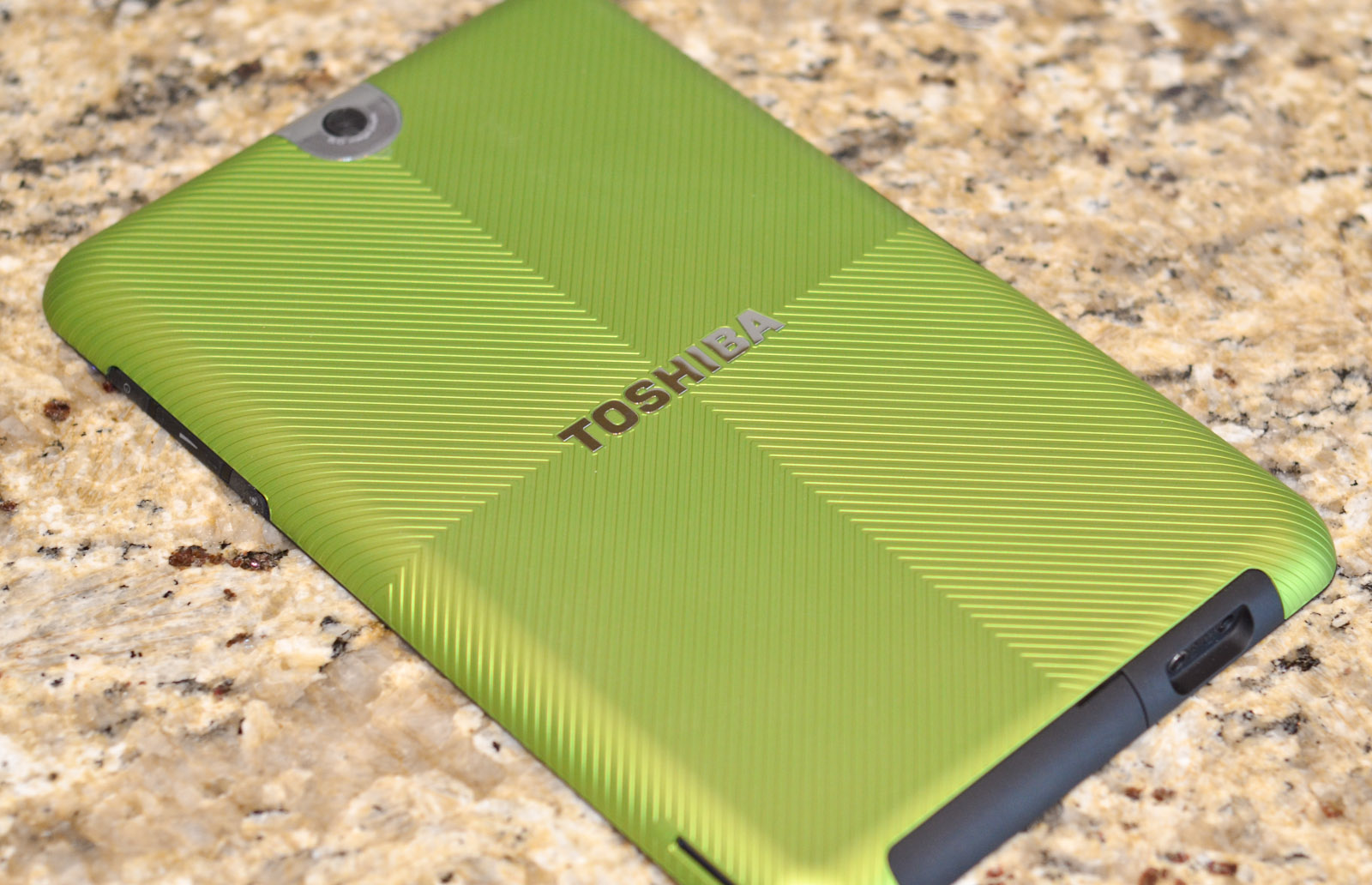
We’ve seen some low, low prices on Honeycomb tablets this holiday shopping season. At $199, the Thrive is a really, really great buy, though that deal was a Black Friday special that lasted for five minutes before selling out. However, the Thrive and other Honeycomb tablets like the Iconia A500 and the Transformer have been available in the $250-300 range since then. They won’t knock anyone’s socks off, but they offer more than the Kindle Fire (the best regularly priced $200 Android tablet), B&N Nook Tablet, Acer Iconia A100 and other 7” Android tablets that typically go for around $250.
I think at this point, if you’re planning to spend more than $350 on an Android tablet, it’s worth just making the jump to the Transformer Prime. It’s the technological bleeding edge right now, it’s guaranteed an Ice Cream Sandwich update in the very near future, and it basically sets the bar for the next generation of Android tablet hardware. So if you’re buying previous generation hardware, you might as well spend as little as possible, especially when you stop to consider that you get the same basic hardware/software combinations with the lower end devices. Compared to the Galaxy Tab 10.1 (the benchmark first-gen Honeycomb tablet), you lose on the build quality, aesthetics, and ergonomics, as well as giving up some minor camera and screen advantages. If you get the Transformer or Thrive, you’re still getting a more than respectable display panel. But the hardware, software, and basic feature set are all still there.
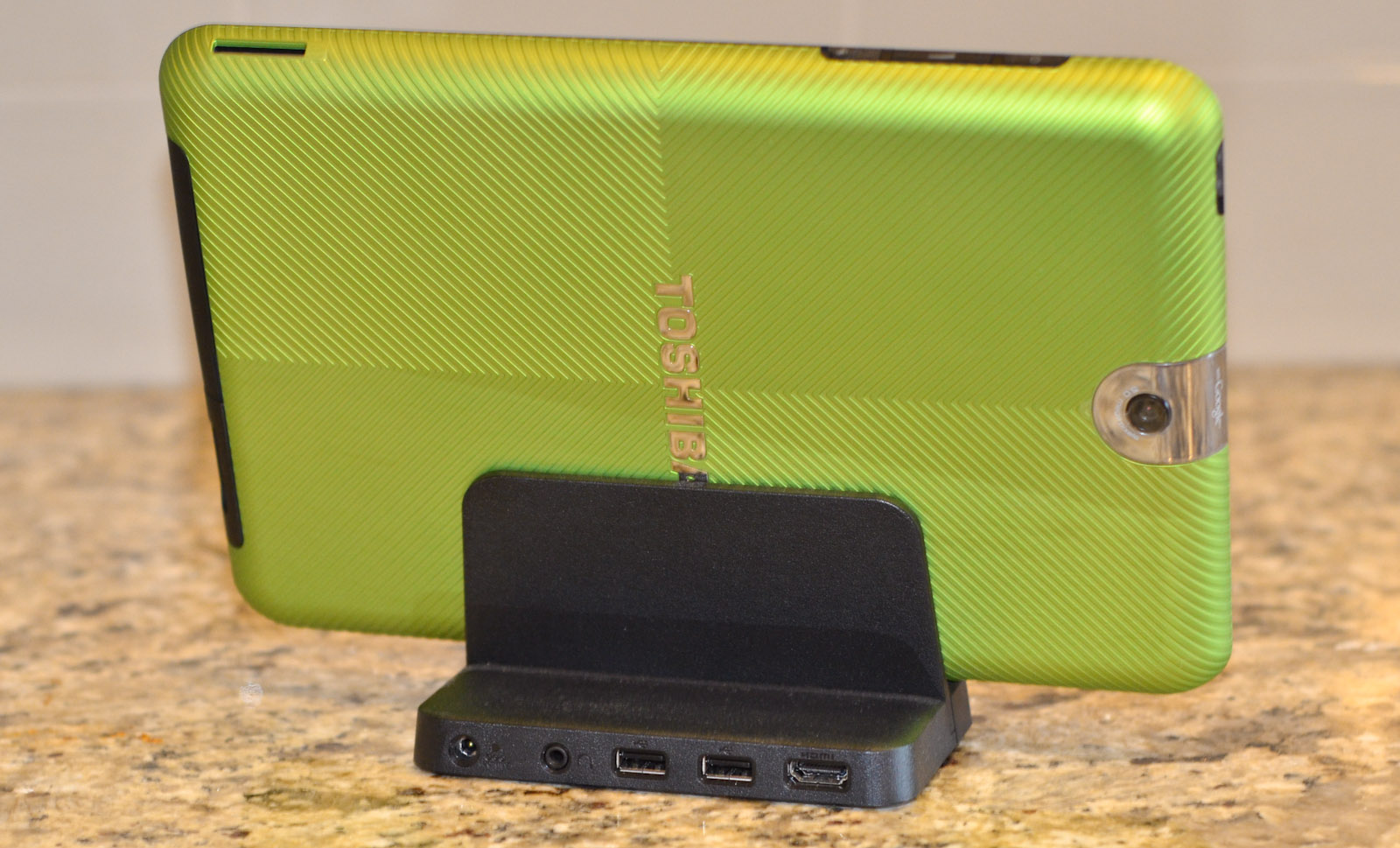
Now versus the Transformer Prime and other next-gen tablets, it’s a more difficult decision. Without question, you get what you pay for—the Transformer Prime is by far the best and brightest the Android world has to offer at present, and if you’re looking for the fastest and most powerful device, you won’t be satisfied with anything less. But if you’re looking for an inexpensive way to get into tablet computing, an inexpensive Honeycomb tablet like the Thrive is a good way to go.
Originally published at https://www.anandtech.com/show/4596/toshiba-thrive-honeycomb-hits-300 (Wayback Machine).