
VIA's Dual Core Nano & VN1000 Chipset Previewed
Final Words
It's not hard to beat Atom. The chip was originally designed to be used in MIDs (Mobile Internet Devices) and aimed at smartphones, but found extra work in netbooks and nettops. Intel has also been very conservative with Atom's roadmap. The chip is still on 45nm while Intel is a little over a year away from beginning its move to 22nm. Atom's architecture also remains in-order, while ARM, AMD and VIA are all presenting if not shipping out-of-order alternatives aimed at similar PC markets.
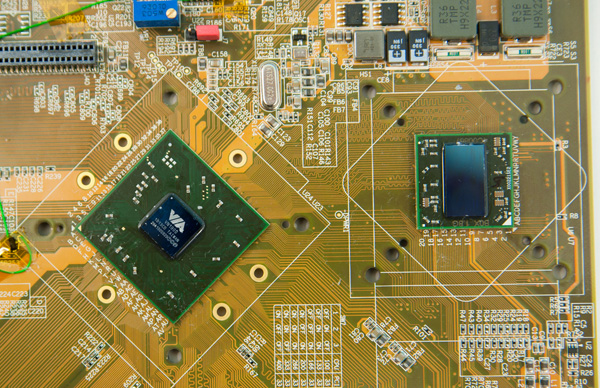
The dual-core Nano platform offers better graphics performance and better CPU performance than Atom. The Chrome 520 IGP, at times, can even give Intel's HD Graphics a run for the money. The two unknowns are power consumption and price. The former will change as VIA transitions to 40nm, while I couldn't get an answer out of VIA on the latter. Current Nano motherboards retail for around $120, but that's for the single core offering. At 40nm VIA should be able to offer two Nano cores for the same price. If you can buy a DC Nano board with BGA chip for around $120, it'll be a steal compared to Atom and more powerful platforms.
The biggest competitor for Nano may not end up being Intel after all. AMD's Bobcat is due to ship to OEMs before the end of the year, and before the end of the week we'll have our full performance preview of it.
Originally published at https://www.anandtech.com/show/4017/vias-dual-core-nano-vn1000-chipset-previewed (Wayback Machine).