
Optimizing for Virtualization, Part 2
- Posted in
- IT Computing
Layout changes: noticing a drop in sequential read performance?
When considering virtualization of a storage system, an important step is researching how actual LUN layout changes when migrating to a virtualized environment. Adding an extra layer of abstraction and consolidating everything into vmdk-files can sometimes make it complicated to keep up with how it all maps to actual physical storage.
By consolidating previously separate storage systems into a single array, servicing multiple VM’s, we notice a change in access patterns. Because of queueing systems on all levels (guest, ESX and the array itself), what are actually supposed to be sequential reads coming from a single system get interleaved with the reads of other VM’s, resulting in a random access pattern. Keep this in mind when you notice a drop in otherwise solidly performing sequential read operations.
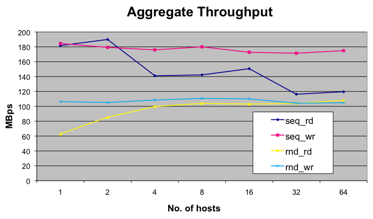
An important aspect about these queues is the fact that they can be tampered with. If, for example, one would like to perform a test on a single VM that really requires it to get the most out of the LUN as possible, ESX is able to change its queues to temporarily fit the requirements. As it is, the queues’ standard size is 32 outstanding IO’s per VM, which should be optimal for a standard VM-layout.
Linux database consideration
Specifically for Linux database machines, there is another important factor to consider (Windows takes care of this automatically). This is something we need to be extra careful about during the development of vApus Mark II: the Linux version of our benchmark suite, but anyone using databases under Linux should be familiar with this. It is generally recommended to cache as much of the database in the database cache, rather than allowing the more general OS buffer cache to take care of it. This recommendation once more plays a big role when virtualizing the workloads, as managing the file system buffer pages is more costly to the hypervisor.
This parameter should be set from inside the database system however, and usually comes down to configuring O_DIRECT mode as the preferred method of approaching storage (in mysql, it comes down to setting the innodb_flush_method to O_DIRECT).
Originally published at https://www.anandtech.com/show/2795 (Wayback Machine).