
AMD 790GX - The Introduction
- Posted in
- CPUs
We Need to Talk -
How about a short recap. The 790GX Northbridge is actually a 780G that has its stock core clock speed increased from 500MHz to 700MHz along with a graphics core name change from Radeon HD 3200 to HD 3300. Sideport Memory, now called Performance Cache, is a “requested” feature on the boards that improves IG performance about 5% on average, sometimes less, sometimes more. The SB750 Southbridge is basically a SB700 with RAID 5 operation and the new ACC interface. Mix the two parts, stir, and you have the highest performing integrated graphics solution on the market today.
However, the 8.521.1 driver set that enables all of this goodness is still beta and has a few warts that will be fixed very shortly. In addition, needed BIOS tuning by the various manufacturers is well underway. In fact, we have already received major BIOS updates today from each board supplier that at first pass have solved a multitude of problems we asked the manufacturers to address.
Stock operation of the boards we are testing has been extremely stable, the majority of our problems that were not driver related occurred when overclocking the system or trying off-center combinations of components or settings. Our initial experiences lead us to believe that the release of the 790GX was about a week to ten days too early. However, our initial feedback to AMD and the motherboard suppliers have been addressed quickly and professionally. So much so, that we would not hesitate in purchasing this platform if it addresses your requirements.
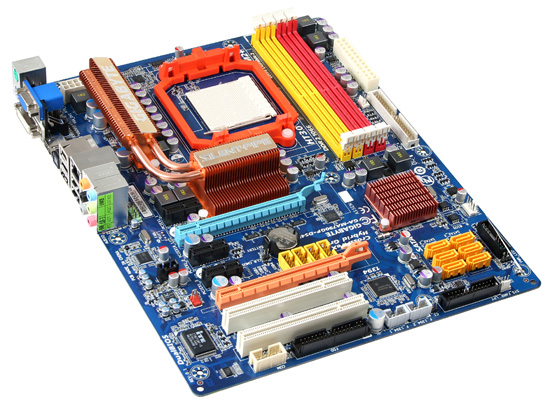
Getting back to our original requests to AMD when asked what we would like to see in the next chipset. They addressed most of our requests from lower power consumption to improved IG performance. We ended up getting a bonus called Advanced Clock Calibration for our clock challenged Phenoms and a platform design that can run 140W TDP processors on a four-layer board.
Our price point request of $100 to $135 is almost a reality. However, for the multimedia crowd, our passionate requests for multi-channel LPCM audio over HDMI will have to wait until the next product. In addition, we were let down about the 790GX being little more than an overclocked 780G. We originally thought this product was going to replace the 790FX by offering like performance and features plus an integrated graphics core. The jury is still out on improved performance but we do know the 790FX is going to remain as the lead performance chipset in AMD’s product lineup for the foreseeable future.
AMD is targeting this platform to both the enthusiast and multimedia user, which sounds like an oxymoron to us. For the multimedia user, spending additional money over the 780G for slightly higher clock speeds, performance cache, and the SB750 is going to be a hard sale for this market. Especially when 780G boards from J&W and Jetway already offer the performance cache and can easily reach 700MHz on the IG unit. The SB750 does offer ACC and along with it the opportunity to run lower voltages, not to mention a decent RAID 5 implementation.
For the performance crowd, the average price point of this board is in the right market unless the 790FX/SB750 boards arrive at or below the $150 mark. If that occurs, then we see a product that will be lost in the market unless AMD can implement something akin to HybridPower from NVIDIA, which allows the discrete card to power down and switch to the IG unit at idle for less demanding tasks like Office Applications or Bejeweled. Otherwise, the IG unit and all of its potential benefits are wasted with a discrete card setup.
That brings us to what we see as the jewel of this product release, the SB750. It brings sorely needed overclocking headroom for the underrated Phenom processor series via ACC, an additional RAID mode, improved AHCI performance and implementation, and it works with all current AMD Northbridges. We wonder if a two-product strategy with a 780G+/SB750 and 790FX/SB750 would have been a better marketing choice for AMD. That is the question we will answer in the next review.
Originally published at https://www.anandtech.com/show/2582 (Wayback Machine).