
DFI UT P35-T2R: Tweakers Rejoice!
- Posted in
- Motherboards
Conclusion
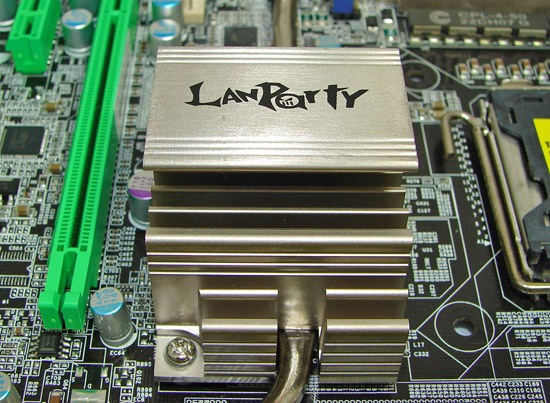
We have found our experience with the DFI UT P35-T2R quite pleasurable. The pre-release testing regimen used by DFI has obviously paid dividends in reducing general hardware and software incompatibility issues. DFI has been quick to respond to any concerns or questions that we have posed through a variety of means. We see good communication being pivotal to any form of success and it is always promising when manufacturers are willing to listen to the user base.
One looming subject has been the poor overclocking of Micron D9GKX based memory. It is now believed the P35 chipset itself is the weak link, rather than motherboard or even memory module PCB layout issues. Our own tests have revealed that these top-binned modules do seem to require additional voltage at just about any speed to remain stable - this goes for all P35 based motherboards.
Otherwise, the layout and performance of this board has been nearly perfect over the past few weeks. So much so, that we have little trouble in recommending this board to the enthusiast who is willing to get down and dirty with the BIOS in order to properly tune this board for exceptional performance results. The one potential flaw, or its Achilles' heel, is a price that nears $300 in most markets. This board will return performance that some would argue is worth its asking price; for us, the price is just a little over the top and is not for the faint of heart nor for people on a budget.
However, since this board was specifically designed for the upper echelon enthusiast market that typically has avid users who will overlook price in return for performance, AnandTech is pleased to present our Silver Editor's Choice to the DFI UT P35-T2R. This board, in our opinion, best represents the pinnacle of performance, stability, and features of what is currently achievable with the Intel P35 chipset. But more importantly, DFI made no qualms about the fact that this board was specifically targeted to the overclocking enthusiast and then succeeded in delivering a product to meet their needs. We congratulate DFI on holding true to their roots and taking a marketing gamble by delivering this motherboard to a limited audience, although we still believe the price could be improved and certainly their time to market although we understand DFI wanting to make sure the board is ready before shipment.
Logic aside, there has been a growing market for advanced BIOS overclocking functions over the last few years. Those who have been loyal to the DFI brand expect no less than a plethora of BIOS options and this board does deliver in that regard. As the benchmark test runs have shown, only those chasing crucial seconds or point advantages for outright benchmarking truly notice the difference of higher FSB speeds, though this does not appear to diminish the demand from users to see future products from DFI with similar performance based options. The added flexibility of manipulating BIOS settings to overcome strap change latency loss may well be paving the way for the next generation of processors and chipsets.
The latest DFI A05 beta BIOS has added support for 45nm CPUs. Of further interest still is that the default multipliers on some of the lower end quad-core CPUs will be locked at seven, demanding motherboards with high FSB potential to acquire the raw CPU speeds that the 45nm process should be capable of (if Intel does not speed bin the lower range heavily). Rest assured, we will need BIOS options to retain performance as FSB is scaled even higher.
With X38 based motherboards entering the market now, it would seem the long-term potential for enthusiast level P35 boards is diminished. However, we feel there is still plenty of life left in DFI's new toy, especially since overclocking on the latest X38 motherboards does not match the clocking ability of this motherboard at present. Over the next few months the FSB abilities of Intel's P35 chipset with upcoming CPUs will determine just how long this line of P35 motherboards will remain desirable.
We have found our experience with the DFI UT P35-T2R quite pleasurable. The pre-release testing regimen used by DFI has obviously paid dividends in reducing general hardware and software incompatibility issues. DFI has been quick to respond to any concerns or questions that we have posed through a variety of means. We see good communication being pivotal to any form of success and it is always promising when manufacturers are willing to listen to the user base.
One looming subject has been the poor overclocking of Micron D9GKX based memory. It is now believed the P35 chipset itself is the weak link, rather than motherboard or even memory module PCB layout issues. Our own tests have revealed that these top-binned modules do seem to require additional voltage at just about any speed to remain stable - this goes for all P35 based motherboards.
Otherwise, the layout and performance of this board has been nearly perfect over the past few weeks. So much so, that we have little trouble in recommending this board to the enthusiast who is willing to get down and dirty with the BIOS in order to properly tune this board for exceptional performance results. The one potential flaw, or its Achilles' heel, is a price that nears $300 in most markets. This board will return performance that some would argue is worth its asking price; for us, the price is just a little over the top and is not for the faint of heart nor for people on a budget.
 |
Logic aside, there has been a growing market for advanced BIOS overclocking functions over the last few years. Those who have been loyal to the DFI brand expect no less than a plethora of BIOS options and this board does deliver in that regard. As the benchmark test runs have shown, only those chasing crucial seconds or point advantages for outright benchmarking truly notice the difference of higher FSB speeds, though this does not appear to diminish the demand from users to see future products from DFI with similar performance based options. The added flexibility of manipulating BIOS settings to overcome strap change latency loss may well be paving the way for the next generation of processors and chipsets.
The latest DFI A05 beta BIOS has added support for 45nm CPUs. Of further interest still is that the default multipliers on some of the lower end quad-core CPUs will be locked at seven, demanding motherboards with high FSB potential to acquire the raw CPU speeds that the 45nm process should be capable of (if Intel does not speed bin the lower range heavily). Rest assured, we will need BIOS options to retain performance as FSB is scaled even higher.
With X38 based motherboards entering the market now, it would seem the long-term potential for enthusiast level P35 boards is diminished. However, we feel there is still plenty of life left in DFI's new toy, especially since overclocking on the latest X38 motherboards does not match the clocking ability of this motherboard at present. Over the next few months the FSB abilities of Intel's P35 chipset with upcoming CPUs will determine just how long this line of P35 motherboards will remain desirable.
Originally published at https://www.anandtech.com/show/2354 (Wayback Machine).