
Midrange CPU Roundup: It's Time to Buy
- Posted in
- CPUs
Intel's Core 2 E4000 and Pentium E2000
Intel has two processor lines that compete in the mainstream space, both based on its famed Core 2 micro-architecture: the Core 2 Duo E4000 series and the Pentium Dual Core E2000 series.
The chart below explains the differences between these two processors and the Core 2 Duo E6000 chips we normally review:
As you can see, the main differences between the chips are L2 cache size and FSB, although with the Pentium Dual Core and Core 2 E4000 chips you do lose out on Virtualization and Trusted Execution support, two features not widely used in the mainstream desktop market yet.
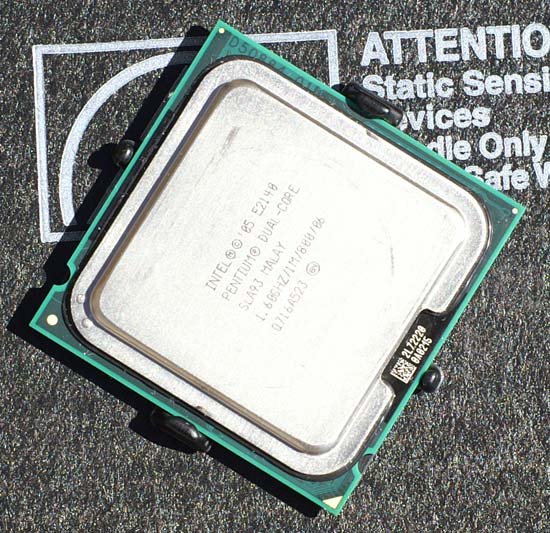
At the sacrifice of a larger cache and a couple of features, you get some very affordable CPUs based on Intel's strongest architecture to date. Buyers beware, however: the Pentium Dual Core processors are not the same thing as Intel's Pentium D processors; the former comes with model numbers like the rest of the Core 2 lineup (e.g. Pentium Dual Core E2160) while the Pentium D is NetBurst based and still uses the old Pentium 4 model numbers (e.g. Pentium D 945). We'd take the slowest Pentium Dual Core over the fastest available Pentium D, so stay away from the last remnants of the NetBurst architecture if you know what's best for you.
Intel has two processor lines that compete in the mainstream space, both based on its famed Core 2 micro-architecture: the Core 2 Duo E4000 series and the Pentium Dual Core E2000 series.
 |
| Click for full size image |
The chart below explains the differences between these two processors and the Core 2 Duo E6000 chips we normally review:
| Intel CPU Features Overview | |||
| Pentium E2000 | Core 2 Duo E4000 | Core 2 Duo E6000 | |
| Number of Cores | 2 | 2 | 2 |
| L2 Cache Size | 1MB | 2MB | 4MB |
| FSB | 800MHz | 800MHz | 1066MHz+ |
| Intel VT | No | No | Yes |
| Intel TXT | No | No | Yes |
| Intel EIST | Yes | Yes | Yes |
| Intel 64-bit | Yes | Yes | Yes |
| Intel Execute Disable Bit | Yes | Yes | Yes |
As you can see, the main differences between the chips are L2 cache size and FSB, although with the Pentium Dual Core and Core 2 E4000 chips you do lose out on Virtualization and Trusted Execution support, two features not widely used in the mainstream desktop market yet.
At the sacrifice of a larger cache and a couple of features, you get some very affordable CPUs based on Intel's strongest architecture to date. Buyers beware, however: the Pentium Dual Core processors are not the same thing as Intel's Pentium D processors; the former comes with model numbers like the rest of the Core 2 lineup (e.g. Pentium Dual Core E2160) while the Pentium D is NetBurst based and still uses the old Pentium 4 model numbers (e.g. Pentium D 945). We'd take the slowest Pentium Dual Core over the fastest available Pentium D, so stay away from the last remnants of the NetBurst architecture if you know what's best for you.
Originally published at https://www.anandtech.com/show/2340 (Wayback Machine).