
The Google Pixel 5: A Mini-Review - Small Package, Small Value?
- Posted in
- Smartphones
- Mobile
- Pixel 5
Camera - A Quick Recap
I’m skipping the camera comparisons for this piece as it’s out of the scope of the short-form review today (they are very time consuming!). We’ve included the Pixel 5 in low-light photography in recent reviews such as the iPhone 12 piece and we’ll be publishing a more extensive camera investigation article in the coming weeks as well as the upcoming Galaxy S21 article coming soon, so I’ll reserve myself to just posting camera samples and commentary of the Pixel 5 performance.


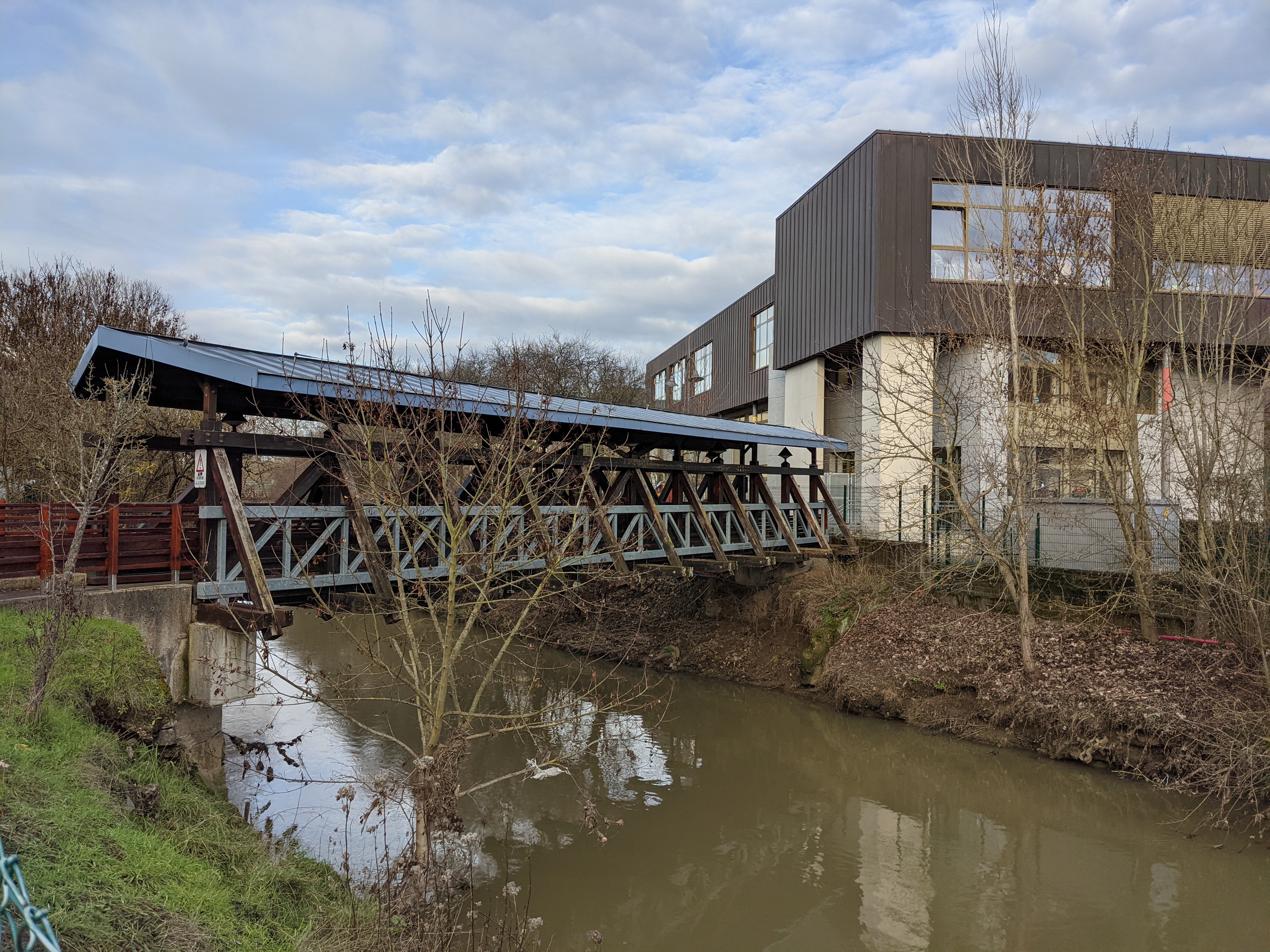


In daylight, where the Pixel 5 seems to perform better than its predecessors is seemingly in terms of colours and colour temperature. Whereas the Pixel 4 and previous iterations seemed to have had a tendency towards warmer colours, the Pixel 5 more often tends to get things in a more natural and correct colour – at least in my own subjective experience.
One area that’s still prevalent in the Pixel processing is that I feel that it doesn’t do as well in preserving highlights of textures, giving them a flatter look compared to what we’re now seeing from the processing of the likes of Apple and Samsung.
The ultra-wide-angle module on the Pixel 5 is a definitive great addition to the phone and really augments the capture experience of this generation of Pixel phones, addressing a much lacklustre aspect of Google’s devices last year. The optics of the UWA isn’t as great as some of other competitors, but decent enough.
What is weird about the UWA is that although Google advertises as employing a 16MP sensor, the actual pictures coming out are sampled down to 12.2MP, matching the resolution of the main sensor. I’m not sure what the rationale is here, and I’m generally never a fan of this matching of resolution across different sensors in a phone as it never actually ends up in good quality results.


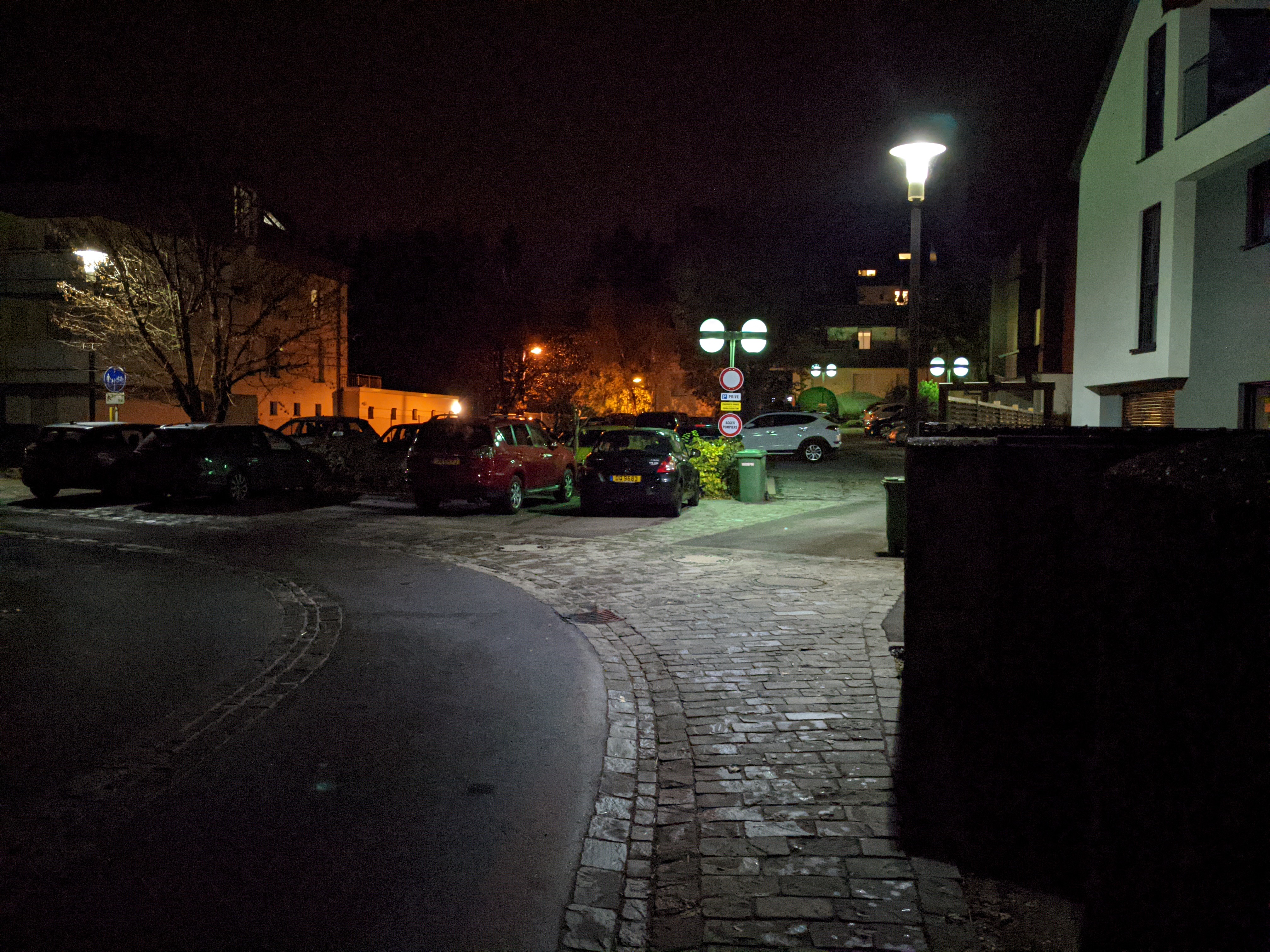


In low-light scenarios, the Pixel 5 is a bit of a mixed bag by today’s standards. On one hand, Google’s Night Sight computational photography mode is excellent in terms of bringing out light in very dark situations, but on the other hand the camera processing here doesn’t seem to have changed much since the Pixel 3. Night Sight in this sense can be a two-edged sword – produces high quality low-light photos, but sometimes it overdoes it in terms of brightening a scene too much, it no longer being representative of the subject. Night Sight also has a particular tendency to grossly over-correct for colour-temperature, losing the actual ambience of a scene.
In scenarios where there’s very low light, Google’s aging camera hardware really cannot compete against the newer generation sensors from the competition, which by now have caught up or also even surpassed Google in computational photography.
Originally published at https://www.anandtech.com/show/16442/the-google-pixel-5-a-minireview (Wayback Machine).