
Samsung SyncMaster 213T: The Glass Ceiling for Enthusiast LCD
- Posted in
- Displays
Construction Continued
| Samsung SyncMaster 213T | |
| LCD | 21.3" UXGA LCD (Active
Matrix) pixel pitch: 0.27mm Anti-glare coating PVA Mode |
| Scanning Frequency | Horizontal: 31-80kHz (analog) Vertical: 56-76Hz |
| Response Time | 25ms (Typical) |
| Contrast Ratio | 500:1 (Typical) |
| Compatibility | 1600 x 1200 (Native) |
| Brightness | 250 cd/m2 |
| Dimensions (WxHxD) | 18.6"x 18.0" x 8.7" |
| Power | Working: 75W Standby/Off: 5W |
| Weight | 11.2lbs |
| Warranty | 3 years parts and labor |
At first glance these specifications are copasetic, particularly for a display of this size; good contrast ratio, brightness and response time. The pixel pitch is a little too large for some tastes, but even at 0.27mm the pitch is still capable. We can see that the PVA display mode is a dead giveaway that inside this behemoth is a Samsung manufactured panel. The PVA technology is exclusive to Samsung, and there just aren't that many people who make 21.3" TFT panels. Even though the LCD sports a 25ms TrTf response time, our experiences with other Samsung produced panels indicates that the more important gray to gray response and color replication are better than average.

Click to enlarge.
The 213T uses a near identical method for ventilation as the Dell 2001FP. Slits around the rear perimeter of the display provide passive cooling with no fans. Even though Samsung manages to passively cool their huge panel and the AC to DC inverter, excessive passive cooling unnecessarily exposes the components of the display. The TFT will emit excessive interference and dust will wreak havoc on the mechanisms inside.
Click to enlarge.
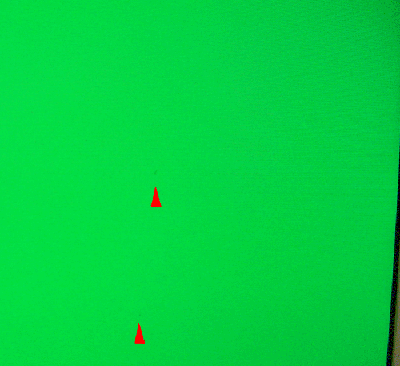
Our particular 213T came with only two flaws. Near the right side of the screen we found one dead subpixel adjacent to a dead pixel. Two inches directly underneath this group we found another dead subpixel. Three dead pixels/subpixels is about par for the course on a 1600x1200 LCD. We found a blue subpixel stuck "on" near the left bezel, but after several hours of use this imperfection seemed to correct itself.
Originally published at https://www.anandtech.com/show/1246 (Wayback Machine).