
Memory Frequency Scaling on Intel's Skull Canyon NUC - An Investigation
GPU and Gaming Benchmarks
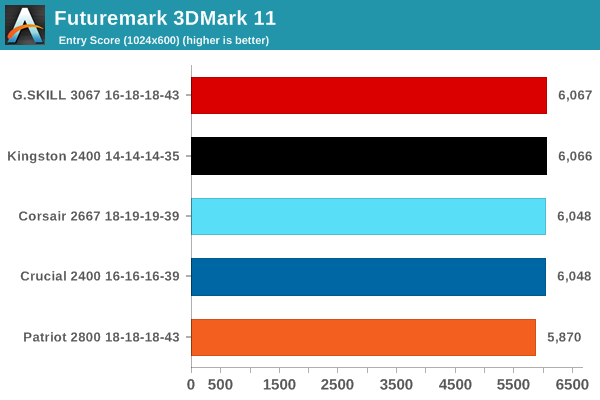
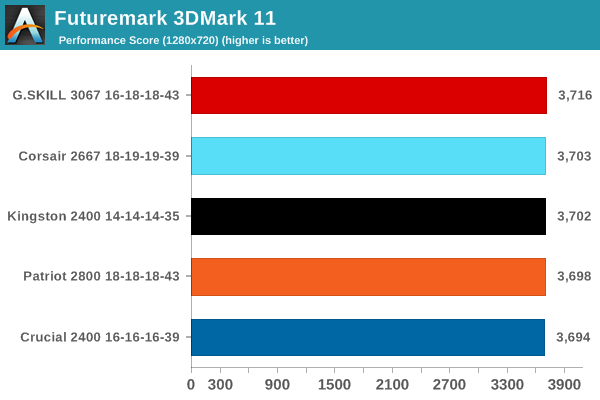
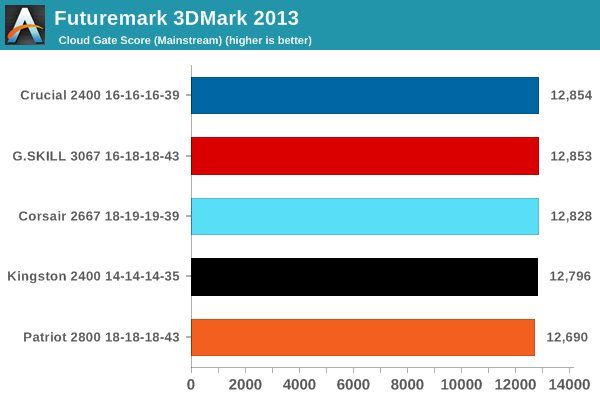
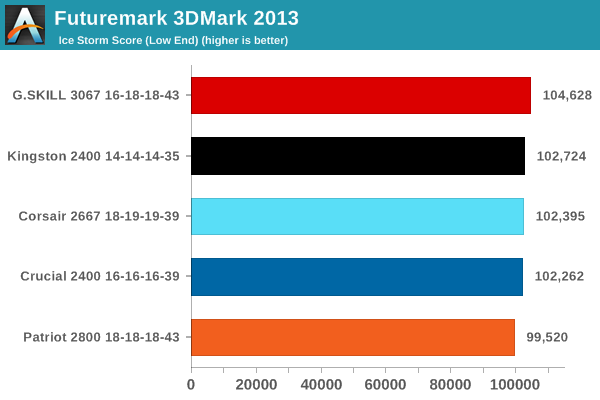
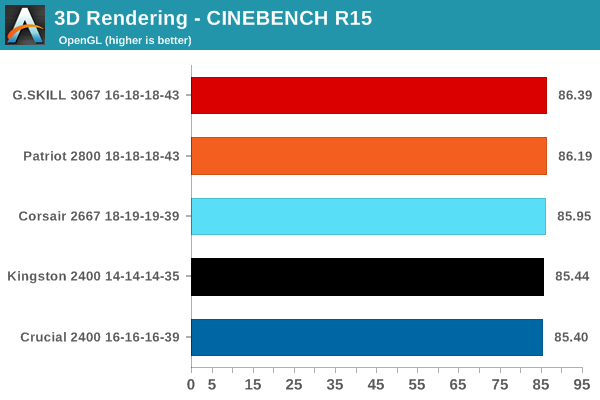
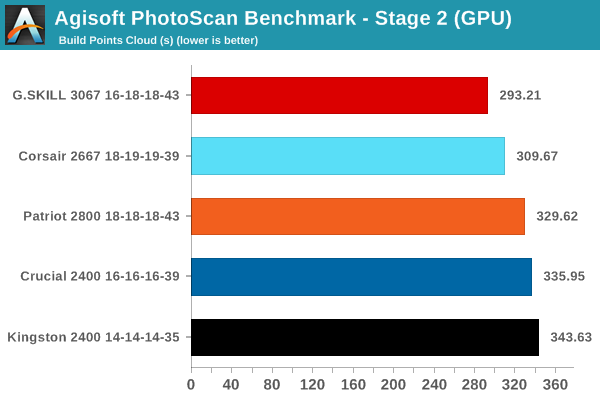
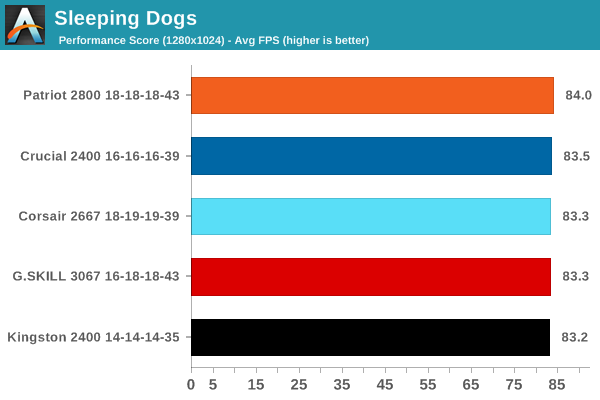
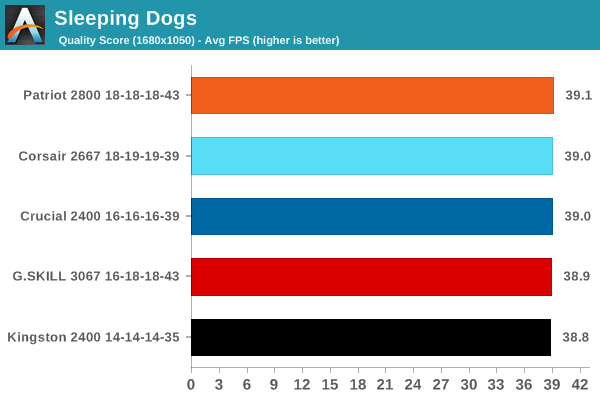
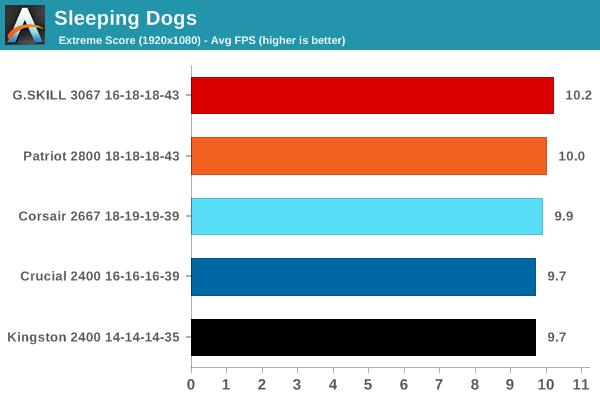
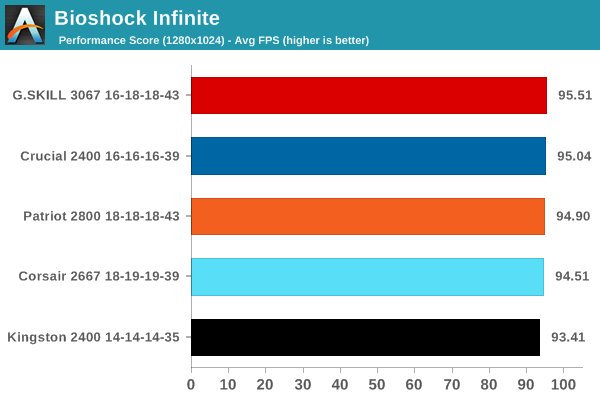
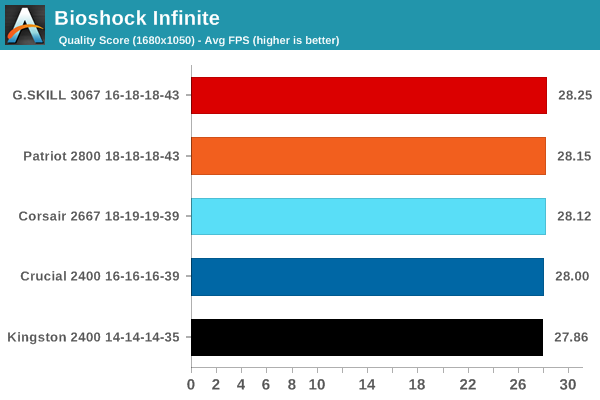
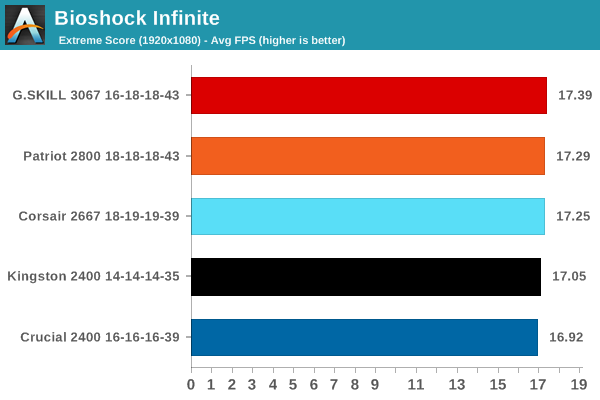
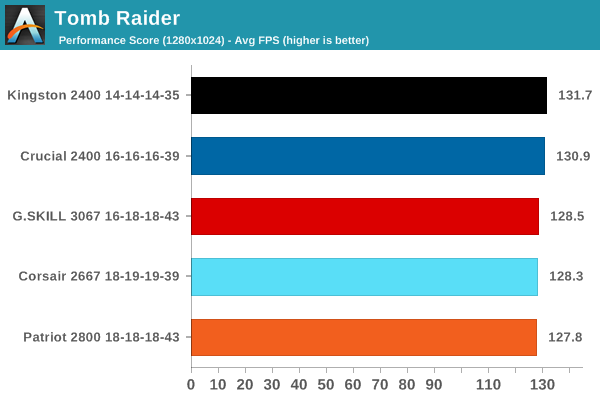
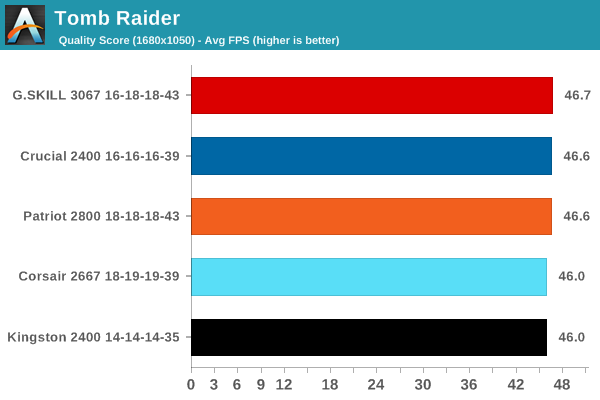
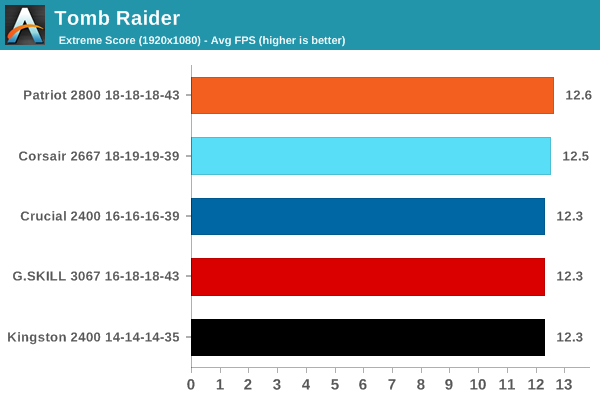
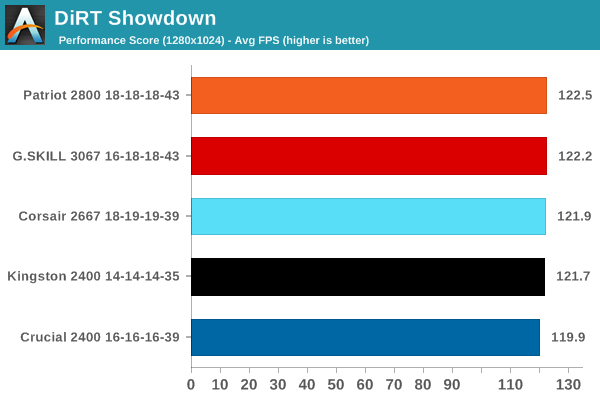
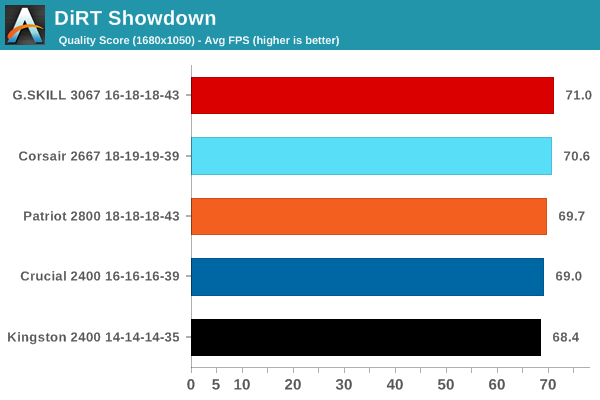
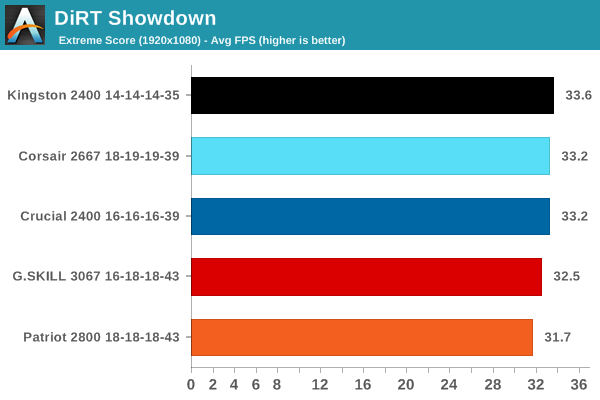
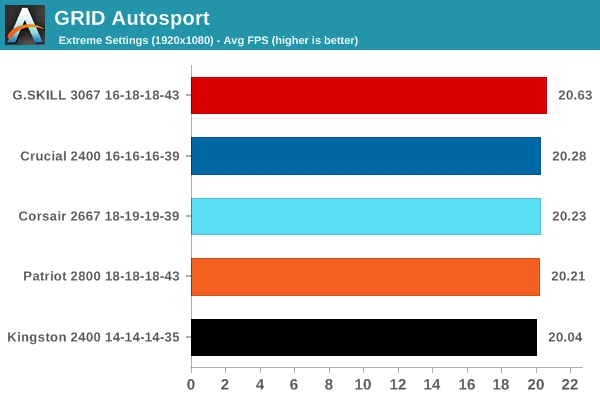
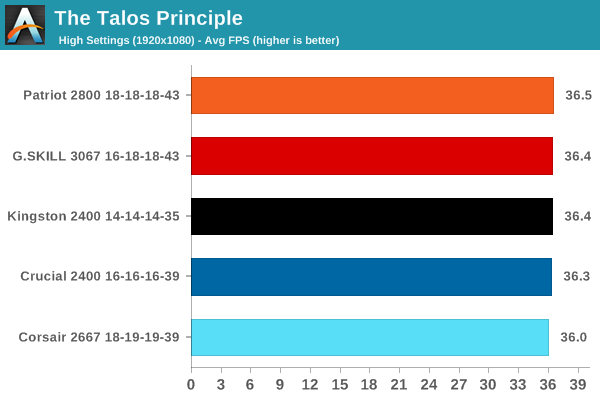
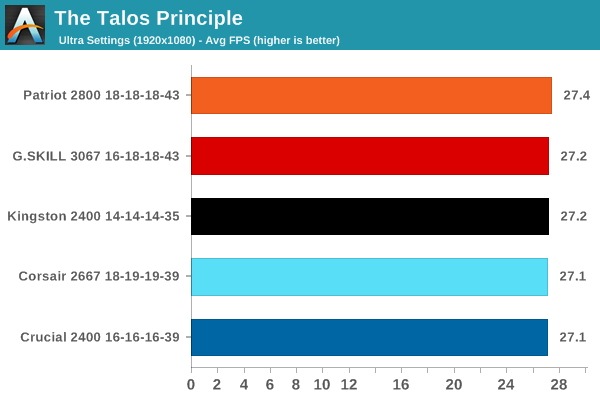
Our next focus is on GPU-centric workloads. The full benchmark numbers are presented below, but the overall performance trends are similar to what we observed in the CPU benchmarks section. Even the gaming benchmarks across all kits had similar results. That said, the OpenCL accelerated Agisoft Photoscan Benchmark does show major performance improvements (around 4.5% in moving from 2133 MHz to 2400 MHz, and, around 15% in moving from 2400 MHz to 3067 MHz) with increasing memory frequency. This shows that real-life workloads that can take advantage of the higher memory frequency SODIMMs do exist, but, they are just not that common.
Futuremark 3DMark 11 and 3DMark 2013
3D Rendering with OpenGL - CINEBENCH R15
Agisoft Photoscan Benchmark with OpenCL Acceleration
Gaming - Sleeping Dogs
Gaming - Bioshock Infinite
Gaming - Tomb Raider
Gaming - DiRT Showdown
Gaming - GRID Autosport
Gaming - The Talos Principle
Originally published at https://www.anandtech.com/show/10602/memory-frequency-scaling-on-skull-canyon (Wayback Machine).